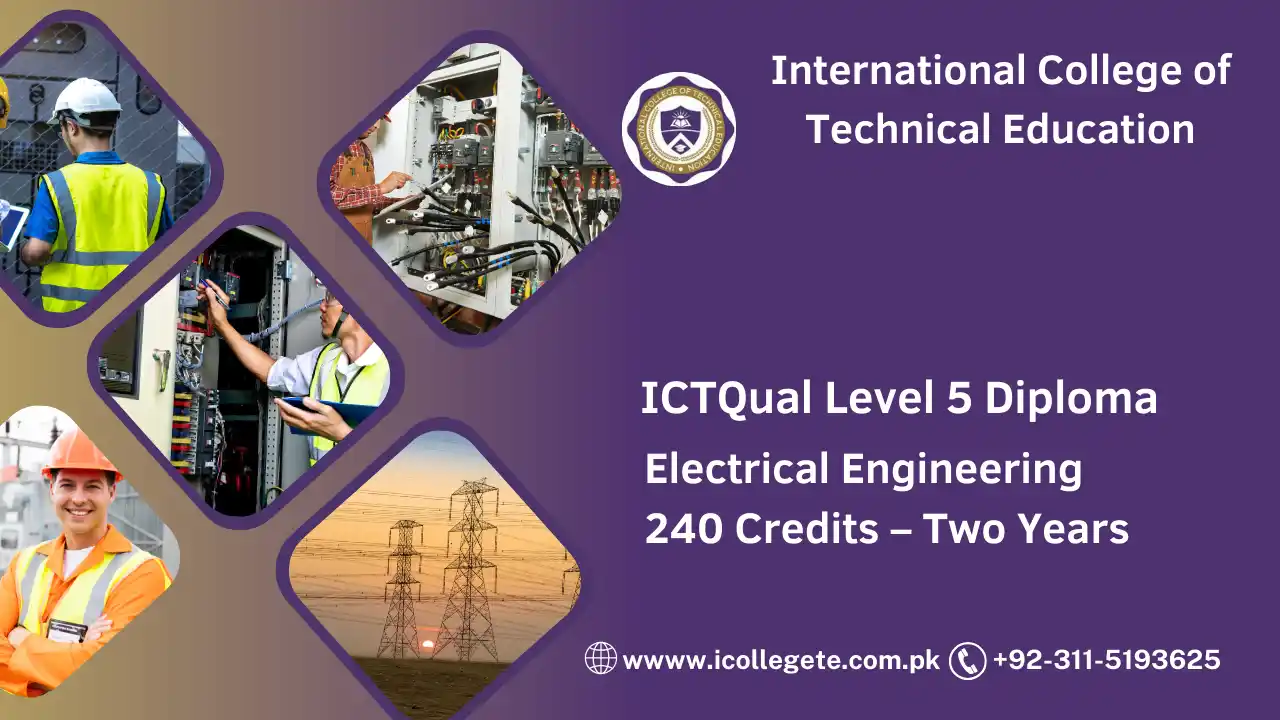
Electrical engineering is one of the most dynamic and rapidly evolving fields, driving innovation in areas like renewable energy, automation, telecommunications, and electronics. As industries continue to rely heavily on electrical systems and technologies, skilled electrical engineers are in high demand. The ICTQual Level 5 Diploma in Electrical Engineering (240 Credits) is a two-year program that provides students with the in-depth knowledge and practical experience needed to excel in the electrical engineering sector.
This comprehensive qualification is designed to equip students with the essential technical and managerial skills required to solve complex electrical engineering challenges, making them highly employable in various industries globally.
The ICTQual Level 5 Diploma in Electrical Engineering (240 Credits) is a rigorous two-year qualification aimed at individuals who wish to specialize in electrical engineering. The course offers a deep dive into electrical systems, circuit analysis, power distribution, automation, and renewable energy technologies. By blending theoretical knowledge with practical application, this diploma ensures that graduates are well-equipped to handle the complexities of modern electrical engineering projects.
This program covers a wide range of electrical engineering principles, from the design and optimization of electrical systems to ensuring safety and efficiency in industrial and commercial environments. Students will be exposed to cutting-edge technologies and practices that are crucial for the next generation of electrical engineers.
Course Overview
The ICTQual Level 5 Diploma in Electrical Engineering spans two years and provides a robust curriculum that balances technical expertise with practical skills. The course is designed to address the growing need for electrical engineers in industries such as power generation, telecommunications, automation, and renewable energy.
Students will explore subjects such as circuit design, power systems, control engineering, and the principles of electrical machines. Additionally, they will gain hands-on experience through laboratory work and industry-based projects that simulate real-world engineering challenges. By the end of the program, students will be prepared to take on complex roles in electrical design, system management, and technical leadership.
Learning Outcomes
Upon successful completion of the ICTQual Level 5 Diploma in Electrical Engineering (240 Credits), students will be able to:
- Apply Core Electrical Engineering Principles: Demonstrate proficiency in electrical circuit analysis, power systems, and the behavior of electrical components, ensuring safe and efficient designs.
- Design Electrical Systems: Design and analyze electrical systems for applications in power generation, distribution, control, and automation, addressing technical specifications and operational requirements.
- Optimize Electrical Circuits and Systems: Utilize advanced techniques to improve the performance, reliability, and efficiency of electrical systems and circuits.
- Understand Power Distribution Systems: Design and evaluate power distribution systems, including transformers, substations, and transmission lines, with a focus on safety and environmental impact.
- Implement Automation and Control Systems: Develop control systems for electrical equipment, including sensors, actuators, and programmable logic controllers (PLCs), to improve automation in industrial applications.
- Integrate Renewable Energy Solutions: Incorporate renewable energy technologies into electrical systems, designing solutions that maximize efficiency and sustainability.
- Work with Industry Tools and Software: Use industry-standard software for electrical design, simulation, and analysis, equipping students with tools to model electrical systems.
- Follow Safety Regulations and Standards: Apply health and safety standards to electrical engineering projects, ensuring compliance with industry regulations to protect personnel and the environment.
- Collaborate Effectively in Teams: Work in multidisciplinary teams to solve complex engineering problems, communicating effectively and contributing to project success.
Study Units
The ICTQual Level 5 Diploma in Electrical Engineering offers a wide range of study units that provide students with a comprehensive understanding of the field. Key units in the program include:
- Fundamentals of Electrical Engineering: Study the core concepts of electrical engineering, including circuits, voltage, current, resistance, and power, forming the foundation of more advanced topics.
- Circuit Theory and Analysis: Learn how to analyze and design electrical circuits, including AC/DC circuits, using the appropriate tools and techniques.
- Electrical Machines and Transformers: Gain knowledge of electrical machines, such as motors, generators, and transformers, and understand their operation, design, and applications in various industries.
- Power Systems: Study power generation, transmission, and distribution systems, focusing on efficient operation and integration of electrical grids.
- Control Systems and Automation: Explore the design and implementation of control systems, including PLCs, sensors, and actuators, and their applications in industrial automation.
- Renewable Energy Technologies: Learn about the principles and applications of renewable energy sources such as solar, wind, and hydroelectric power, and their integration into existing electrical systems.
- Electrical Safety and Standards: Study electrical safety regulations, industry standards, and risk assessment techniques to ensure safe operations in electrical engineering projects.
- Electrical Power Distribution Systems: Understand the design, operation, and optimization of electrical power distribution systems, including fault detection and system reliability.
- Electrical System Simulation and Design: Use advanced software tools for designing, simulating, and optimizing electrical systems, ensuring high-quality performance and cost efficiency.
Course Benefits
- In-Depth Technical Knowledge: The program provides students with advanced technical knowledge of electrical systems, circuits, power distribution, and renewable energy solutions.
- Hands-On Learning: Students gain practical experience through laboratory work, industry-based projects, and real-world case studies, ensuring they can apply their knowledge in real engineering scenarios.
- Industry-Ready Skills: Graduates are equipped with the skills necessary to work with industry-standard tools and software, enhancing their employability in the electrical engineering sector.
- Focus on Renewable Energy: The course highlights the importance of renewable energy technologies, preparing students to work on sustainable projects that align with global environmental goals.
- High Employability: The electrical engineering field continues to grow, and this qualification ensures graduates are ready for diverse roles across power generation, automation, telecommunications, and other sectors.
- Global Career Opportunities: Electrical engineering is a universally applicable discipline. Graduates of this diploma will have the opportunity to work in a wide range of industries and countries.
- Pathways to Further Education: After completing the diploma, students can pursue higher education in electrical engineering, enhancing their career prospects and potential for leadership roles.
- Professional Development: The course emphasizes skills that are valued by employers, such as problem-solving, teamwork, and leadership, contributing to long-term career growth.
Who is This Course For?
The ICTQual Level 5 Diploma in Electrical Engineering (240 Credits) is ideal for individuals passionate about electrical systems and technologies who want to build a successful career in this field. This course is designed for:
- Aspiring Electrical Engineers: Individuals who want to pursue a career in electrical engineering, including system design, power distribution, control systems, and automation.
- Engineering Graduates: Those with a background in mechanical, civil, or electronics engineering who wish to specialize in electrical engineering and gain expertise in electrical systems.
- Industry Professionals: Professionals already working in electrical or related engineering fields who want to formalize their qualifications and enhance their skills in modern electrical engineering practices.
- Career Changers: People from other technical fields who want to transition into electrical engineering and gain the knowledge and skills required to succeed in this industry.
- High School Graduates: Those who have completed their secondary education and are looking to enter the electrical engineering field, with a structured and comprehensive two-year program.
The ICTQual Level 5 Diploma in Electrical Engineering (240 Credits) is an intensive and rewarding two-year course that provides students with the advanced knowledge and practical experience needed to excel in the electrical engineering field. By covering a wide range of topics, including electrical systems design, automation, renewable energy, and safety, this program ensures that graduates are well-equipped to take on challenging roles in industries such as power, telecommunications, and automation. With a focus on sustainability, innovation, and industry-ready skills, this diploma opens the door to exciting career opportunities in electrical engineering.