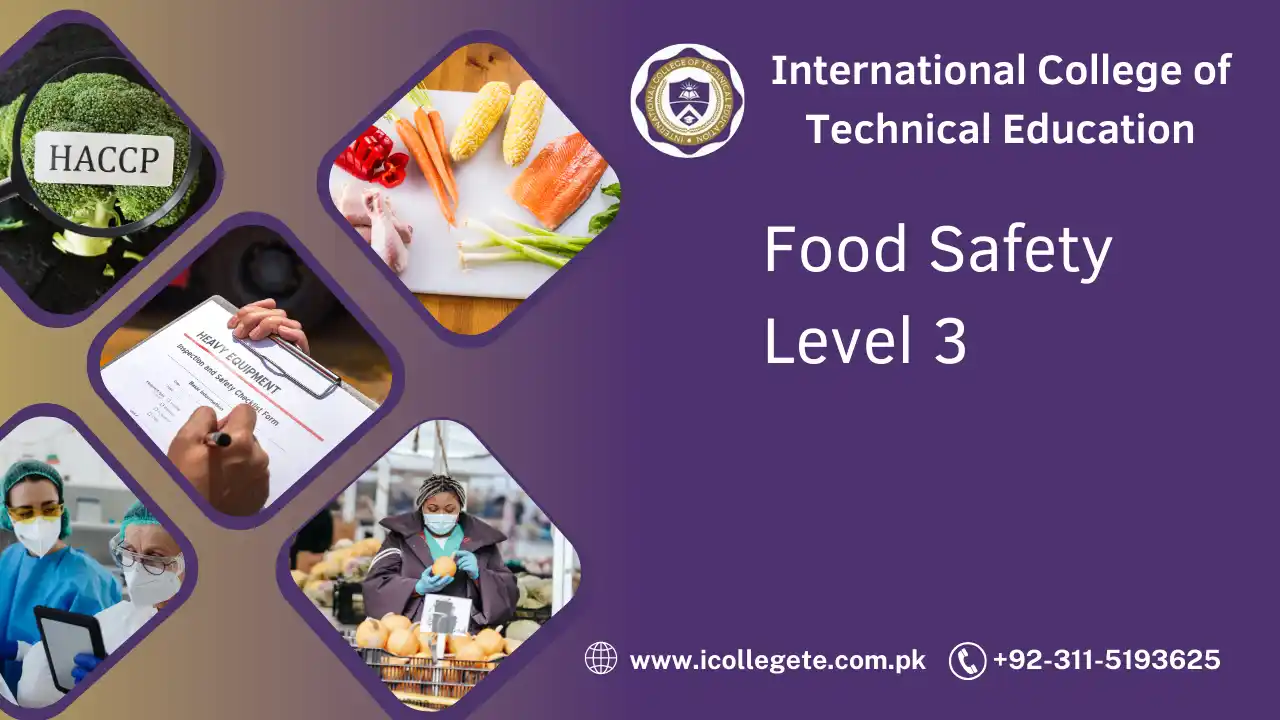
In today’s food industry, maintaining high standards of food safety is not just a regulatory requirement—it is a vital responsibility for those in supervisory and managerial roles. The Food Safety Level 3 Course in Gujarat is designed to provide advanced training in food hygiene and safety management. It equips professionals with the knowledge and skills needed to lead food safety practices across catering, hospitality, manufacturing, and retail environments.
As Gujarat continues to grow as a hub for food production, hospitality, and exports, the demand for trained food safety supervisors and managers is increasing. This course helps professionals meet those demands and comply with national and international standards.
The Food Safety Level 3 course is aimed at individuals who are responsible for overseeing food handling operations. It is ideal for those in roles where they must supervise others, ensure hygiene standards are maintained, and implement food safety policies within the workplace.
The course goes beyond basic food hygiene practices and introduces learners to food safety management systems, legal responsibilities, hazard analysis, and effective monitoring techniques.
Course Overview
This is an intermediate to advanced level course that provides detailed insights into food safety risks and how to manage them effectively. It is suitable for experienced food handlers, team leaders, supervisors, and managers.
- Duration: 3 to 5 days, depending on training format and provider
- Mode of Study: Classroom, online, or blended learning
- Certification: Food Safety Level 3 Certificate (valid for 3 years)
- Accreditation: Provided by recognized awarding bodies such as Highfield, RSPH, or other approved institutions
- Language: Available in English, with some centers offering Hindi or Gujarati options
Study Units
The course is structured into comprehensive modules that combine theory with real-world applications:
- Introduction to Food Safety and Legislation
- Legal responsibilities of supervisors
- Key food safety laws and regulations
- Microbiological Hazards and Control
- Understanding bacteria, viruses, and pathogens
- Controlling conditions that promote microbial growth
- Food Contamination and Prevention
- Biological, chemical, physical, and allergenic contamination
- Preventive strategies and control measures
- Personal Hygiene and Staff Training
- Staff hygiene requirements and training protocols
- Supervising hygiene practices effectively
- Cleaning and Disinfection Procedures
- Cleaning schedules, chemicals, and monitoring cleanliness
- Temperature Control and Storage
- Safe food storage, cooking, cooling, and reheating practices
- Pest Control Management
- Recognizing and preventing infestations in food premises
- Food Safety Management Systems
- Introduction to HACCP (Hazard Analysis and Critical Control Points)
- Risk assessments and documentation
- Supervising Food Safety Practices
- Monitoring systems and improving compliance
- Communicating food safety policies and procedures
Learning Outcomes
Upon successful completion of the course, participants will be able to:
- Understand and apply food safety legislation and supervisory responsibilities
- Identify and control food safety hazards effectively
- Implement proper hygiene, cleaning, and pest control practices
- Monitor and maintain temperature controls and food storage safety
- Apply HACCP principles and food safety management systems
- Train, guide, and supervise food handling staff in safety practices
- Conduct risk assessments and support continuous food safety improvement
Course Benefits
- Compliance with Food Safety Regulations: Helps organizations meet FSSAI and other legal standards.
- Career Advancement: Qualifies participants for supervisory and management roles in the food industry.
- Improved Workplace Safety: Leads to fewer food safety incidents and improved customer trust.
- Organizational Efficiency: Strengthens internal systems and improves audit readiness.
- Global Recognition: Certification is recognized nationally and internationally, increasing job mobility.
Who is This Course For?
The Food Safety Level 3 course is ideal for:
- Food supervisors and team leaders
- Kitchen and restaurant managers
- Catering managers and chefs
- Food production line supervisors
- Quality control personnel in food processing
- Anyone responsible for food safety management in their workplace
Candidates should ideally have completed Food Safety Level 2 or have some experience in food handling and safety management.
Future Progression
Once learners complete the Food Safety Level 3 course, they can pursue further training and qualifications to deepen their expertise or transition into more specialized roles:
- HACCP Level 3 Certification: Focuses on developing and managing food safety systems.
- Food Safety Level 4: Advanced training for senior managers and food safety consultants.
- ISO 22000 Lead Auditor Course: Prepares professionals to audit food safety management systems.
- NEBOSH in Environmental or Occupational Health and Safety: Broader safety management knowledge applicable across industries.
- Specialized Training: Courses in allergen control, food labelling regulations, or FSSAI compliance.
These qualifications pave the way for senior roles in food safety, quality assurance, compliance, and auditing both in India and internationally.
The Food Safety Level 3 course in Gujarat offers vital training for professionals who play a key role in maintaining food hygiene and compliance in their organizations. With a strong emphasis on practical knowledge, legal awareness, and supervisory responsibility, this course prepares participants to lead food safety efforts confidently and effectively.