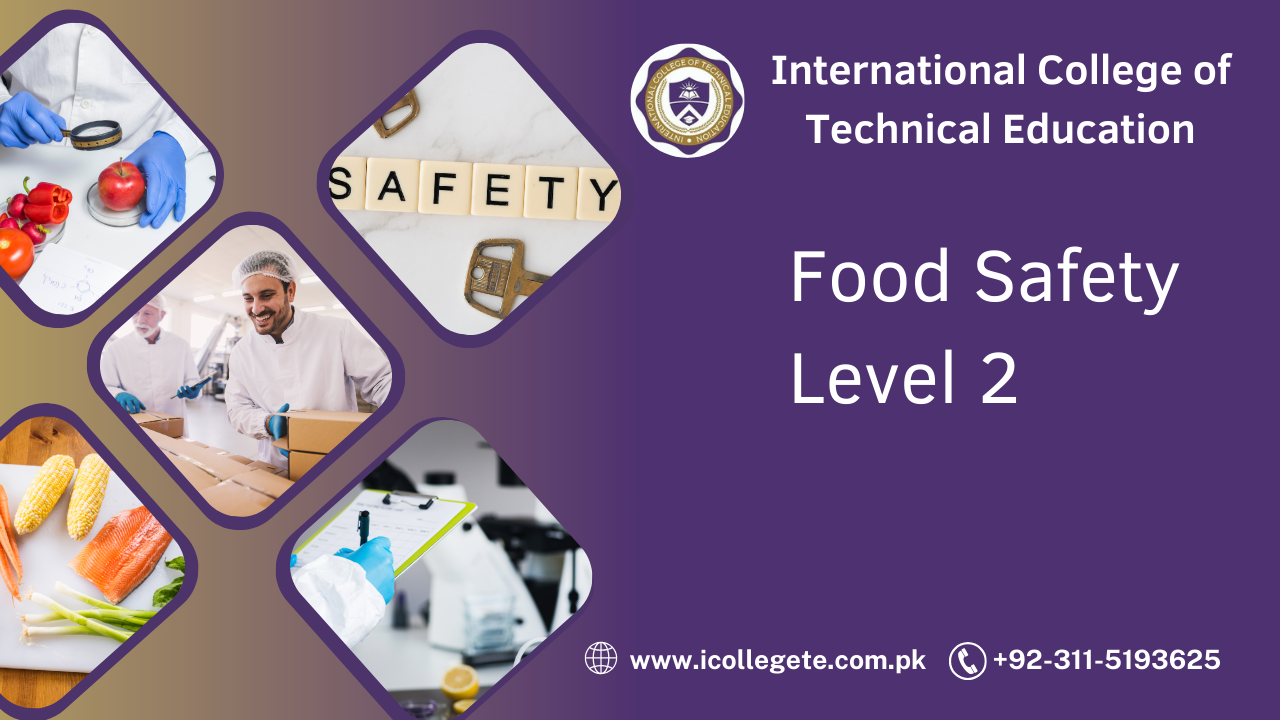
Maintaining hygiene and safety in food handling is not just a legal requirement—it is a fundamental responsibility for anyone involved in the preparation, serving, or distribution of food. The Food Safety Level 2 Course in Gujarat provides essential training for food handlers, equipping them with the practical knowledge and skills needed to ensure food is prepared safely and responsibly.
The Food Safety Level 2 course is a step up from basic training and is designed for individuals who work directly with food. This includes anyone who handles, prepares, serves, or stores food in settings such as restaurants, catering services, hotels, retail stores, food factories, and school canteens.
In Gujarat, where food processing and hospitality industries are rapidly expanding, this course plays a critical role in meeting health department standards and ensuring public health protection.
Course Overview
The Food Safety Level 2 course focuses on enhancing the hygiene and safety practices of food handlers. It helps individuals understand how to reduce risks related to food contamination, maintain personal hygiene, and apply safety measures in their day-to-day work.
- Duration: 1 day (typically 6–8 hours)
- Mode of Study: Available in classroom and online formats
- Certification: Food Safety Level 2 Certificate (valid for 3 years)
- Accreditation: Offered by recognized awarding bodies such as Highfield, RSPH, or local training providers
- Language: Delivered in English, with options in Hindi or Gujarati in select training centers
Study Units
The course is divided into several key units that provide both theoretical knowledge and practical applications:
- Introduction to Food Safety
- Importance of food hygiene and its impact on public health
- Food Hazards and Contamination
- Types of food hazards: biological, chemical, physical, and allergenic
- How food can become contaminated
- Personal Hygiene
- Proper hand washing, use of protective clothing, and personal habits
- Cleaning and Disinfection
- Cleaning schedules, methods, and the importance of sanitisation
- Safe Food Handling Practices
- Temperature control, food storage, cross-contamination prevention
- Pest Control
- Identifying and preventing pest infestations in food environments
- Food Safety Legislation
- An overview of relevant food safety laws and responsibilities
Learning Outcomes
By the end of the course, learners will be able to:
- Understand the principles of food hygiene and safety
- Identify potential food safety hazards and take preventive actions
- Apply proper procedures for personal hygiene and safe food handling
- Follow safe storage and temperature control methods
- Recognise the importance of cleaning and pest control in food premises
- Work in compliance with local food safety regulations and industry best practices
Course Benefits
- Compliance with Legal Requirements: Helps businesses meet food safety regulations set by FSSAI and local authorities.
- Improved Food Quality and Safety: Reduces the risk of foodborne illnesses and contamination.
- Career Advancement: Enhances employability and prepares food handlers for supervisory roles.
- Boosted Customer Trust: Builds confidence among customers and clients by ensuring safe food handling practices.
- Wide Applicability: Suitable for all sectors of the food industry, including restaurants, cafes, hospitals, and food manufacturing units.
Who is This Course For?
The Food Safety Level 2 course is ideal for:
- Food handlers in restaurants, hotels, and cafes
- Catering and hospitality staff
- Food production and processing workers
- Staff working in school or hospital kitchens
- Anyone responsible for preparing, serving, or storing food
While Level 1 focuses on general awareness, Level 2 is for those directly involved in day-to-day food handling operations.
Future Progression
After completing the Food Safety Level 2 course, individuals can progress to higher qualifications to take on more advanced roles in food safety management:
- Food Safety Level 3: Designed for supervisors and managers responsible for enforcing food safety practices.
- HACCP Training (Hazard Analysis and Critical Control Points): For professionals involved in setting up and maintaining food safety systems.
- ISO 22000 and FSSAI Compliance Training: For those looking to work in regulatory, quality assurance, or audit roles within the food industry.
- Food Safety Level 4: Advanced course for senior managers and food safety consultants.
These certifications open doors to better job roles, higher salaries, and increased responsibility in both domestic and international food sectors.
The Food Safety Level 2 course in Gujarat serves as a crucial qualification for professionals working in food handling environments. With its practical focus and industry-aligned curriculum, it ensures that food handlers are equipped to maintain hygiene, follow safety regulations, and protect public health. Whether you’re an aspiring chef, a catering staff member, or a food production worker, this course is an important step toward building a responsible and successful career in the food industry.