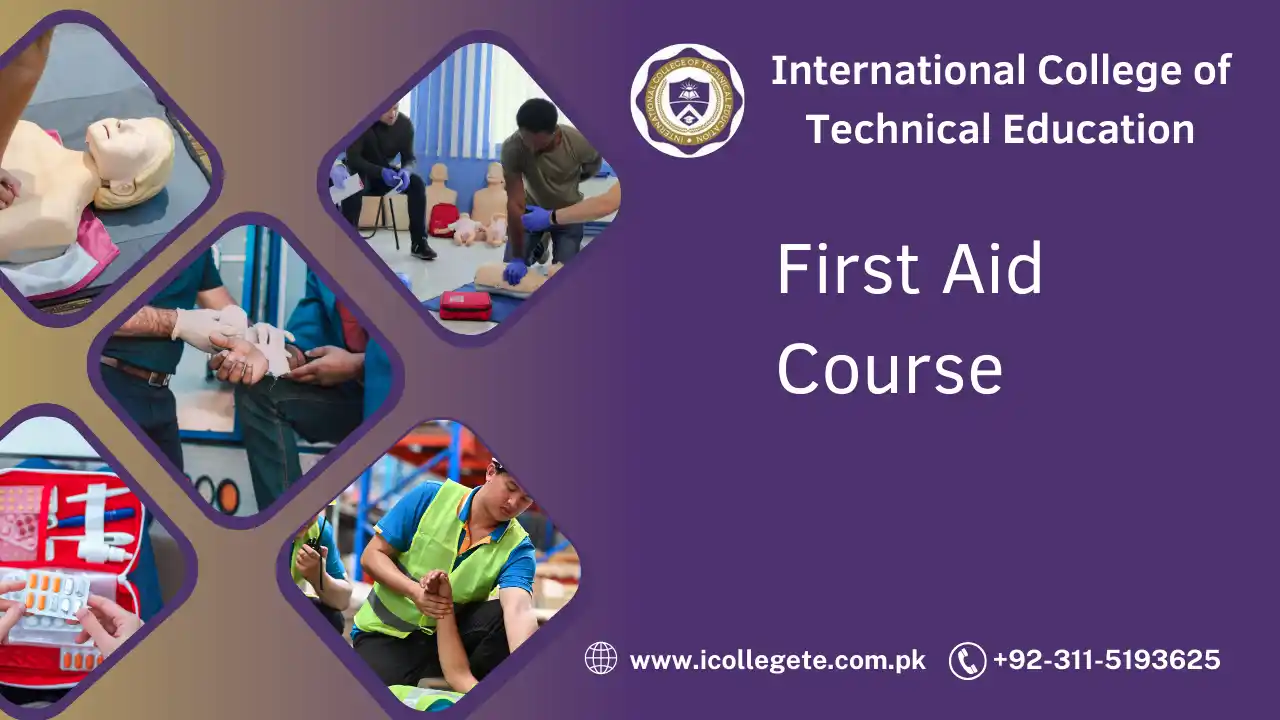
Accidents and medical emergencies can occur at any time, and knowing how to respond promptly can make all the difference in saving a life or preventing further harm. The First Aid Course in Lahore is designed to equip individuals with the vital knowledge and skills needed to provide immediate care in emergency situations until professional medical help arrives.
The First Aid Course in Lahore provides a comprehensive understanding of how to administer immediate care to injured or ill individuals in emergency situations. The course is designed for both beginners and those who wish to refresh their first aid knowledge. It focuses on practical skills, such as CPR (Cardiopulmonary Resuscitation), wound management, and how to handle various emergency scenarios effectively.
By completing this course, participants will be equipped to respond to common medical emergencies such as heart attacks, choking, burns, fractures, and more. First aid knowledge is vital not only in the workplace but also in everyday life, making this course a worthwhile investment for anyone looking to contribute to the well-being of others.
Course Overview
The First Aid Course in Lahore covers a wide range of emergency medical situations and provides participants with the skills necessary to assess a person’s condition and administer appropriate care. The course includes both theoretical and practical components, with hands-on training to ensure that participants feel confident in providing first aid in a real-world scenario.
The course content is designed to be practical and relevant, focusing on life-saving techniques that are easy to understand and apply in emergency situations. After successful completion of the course, participants will receive certification, validating their ability to provide first aid and respond to emergencies with the necessary competence.
Study Units
The First Aid Course includes the following key study units:
- Introduction to First Aid and Emergency Situations: This unit covers the fundamentals of first aid, including how to assess a situation, call for help, and ensure your safety as a first responder.
- CPR (Cardiopulmonary Resuscitation): One of the most crucial skills in first aid, CPR involves techniques for restarting a person’s heart and restoring breathing in cases of cardiac arrest. Participants will learn both adult and child CPR.
- Managing Wounds and Bleeding: This unit covers how to properly handle different types of wounds, including cuts, abrasions, and burns, and how to control bleeding using appropriate bandaging and pressure techniques.
- Dealing with Choking and Respiratory Emergencies: Participants will learn how to recognize and respond to choking incidents in adults and children, as well as how to handle respiratory distress or asthma attacks.
- Fractures and Sprains Management: This section teaches how to recognize and stabilize fractures, sprains, and strains, and how to apply splints or bandages to minimize further injury.
- Shock and Seizure Management: Participants will be trained in recognizing signs of shock and how to manage a person experiencing shock. Additionally, the course covers how to respond to seizures and protect the person from injury during the episode.
- Burns and Heat Stroke: This unit addresses how to treat burns, ranging from minor to severe, and how to manage heat-related illnesses such as heat stroke or heat exhaustion.
- Poisoning and Allergic Reactions: This section focuses on how to recognize and respond to poisoning (including food poisoning and drug overdose) and severe allergic reactions (anaphylaxis), including how to use an epinephrine auto-injector (EpiPen).
- Basic First Aid for Children and Infants: Since children and infants often face different types of medical emergencies, this unit focuses on pediatric first aid, including CPR for infants, and how to manage injuries common among children.
- Emergency First Aid Kits: This unit teaches participants about the contents of a first aid kit and how to use various items effectively in emergency care situations.
Learning Outcomes
Upon completing the First Aid Course, participants will:
- Be able to assess emergency situations, prioritize actions, and act confidently under pressure.
- Understand how to perform CPR on adults, children, and infants.
- Gain the skills to manage wounds, bleeding, burns, and other injuries effectively.
- Be capable of responding to respiratory emergencies, including choking and asthma attacks.
- Know how to recognize signs of shock, poisoning, and allergic reactions and administer appropriate first aid.
- Understand how to handle fractures, sprains, and strains with effective bandaging and splinting techniques.
- Be able to manage heat stroke, seizures, and other common emergency health conditions.
- Know the correct use of a first aid kit and its contents in providing immediate care.
- Gain confidence in dealing with medical emergencies in both personal and professional settings.
Course Benefits
The First Aid Course offers several key benefits:
- Life-Saving Skills: The most significant benefit of completing this course is the ability to save lives and reduce the severity of injuries in emergencies by applying first aid techniques until professional help arrives.
- Increased Confidence in Emergencies: Participants will feel more confident and prepared when faced with an emergency situation, knowing they have the necessary skills to provide immediate assistance.
- Workplace Safety Compliance: Many organizations require staff to be trained in first aid to comply with health and safety regulations. Completing this course can be beneficial for employees, employers, and organizations alike.
- Broader Career Opportunities: A First Aid qualification is highly regarded in a variety of sectors, including healthcare, hospitality, education, and public services, and can enhance career prospects in these fields.
- Prevention of Serious Complications: Proper first aid can prevent injuries from becoming worse, reduce the chances of long-term damage, and promote quicker recovery.
- Personal Development: Completing this course increases your sense of responsibility and empathy, enabling you to respond to emergencies effectively and calmly.
- Certification and Recognition: Participants will receive a recognized first aid certification, enhancing their qualifications and credibility in emergency response situations.
Who Is This Course For?
The First Aid Course in Lahore is suitable for a wide range of individuals, including:
- Parents and Caregivers: Learning first aid is essential for parents and caregivers who want to ensure the safety and well-being of their children and loved ones.
- Teachers and School Staff: Teachers, school nurses, and other school staff who deal with children will benefit from knowing how to respond to medical emergencies in an educational setting.
- Workplace Employees: Employees in various industries, especially in high-risk workplaces, should have basic first aid knowledge to address injuries or emergencies quickly and safely.
- Healthcare Workers: While this course is not a replacement for professional medical training, healthcare workers such as nurses or medical assistants can benefit from a refresher on first aid skills.
- Sports Coaches and Trainers: Coaches and trainers can ensure the safety of athletes by learning how to respond to injuries and provide immediate care during sports activities.
- Anyone Interested in Helping Others: Whether you are a community volunteer or someone who simply wants to help those around you, this course provides the essential skills needed to assist others in times of need.
Future Progression
After completing the First Aid Course, participants can further develop their emergency response skills through the following progression options:
- Advanced First Aid and Emergency Care: Those looking for more in-depth training can pursue advanced first aid courses, which cover more complex medical emergencies, advanced CPR techniques, and emergency medical response in critical situations.
- CPR Instructor Training: Individuals who wish to teach CPR and first aid to others can pursue instructor-level courses to become certified trainers themselves, spreading vital first aid knowledge in their communities or workplaces.
- Health and Safety Management Courses: For those looking to pursue careers in health and safety management, completing courses in occupational health and safety or emergency management can lead to positions that involve overseeing workplace safety protocols.
- Pediatric First Aid: Parents and those working with children can further their skills by specializing in pediatric first aid, which focuses on the unique needs of children and infants in emergency situations.
- Certifications in Medical Emergency Response: Those interested in becoming emergency medical responders can look into more specialized qualifications, such as those for paramedics or emergency medical technicians (EMTs), for a career in emergency medical services.
The First Aid Course in Lahore is an invaluable training opportunity for individuals looking to make a meaningful impact in emergency situations. By learning the basics of first aid, CPR, injury management, and emergency response, participants will be better prepared to save lives, minimize harm, and ensure the safety of those around them.
Whether you’re looking to gain personal knowledge, enhance your workplace qualifications, or take the first step toward a career in emergency response, this course provides the essential skills and certification to help you succeed. Taking this course could ultimately help you be the person who makes a difference in critical moments when quick action matters most.