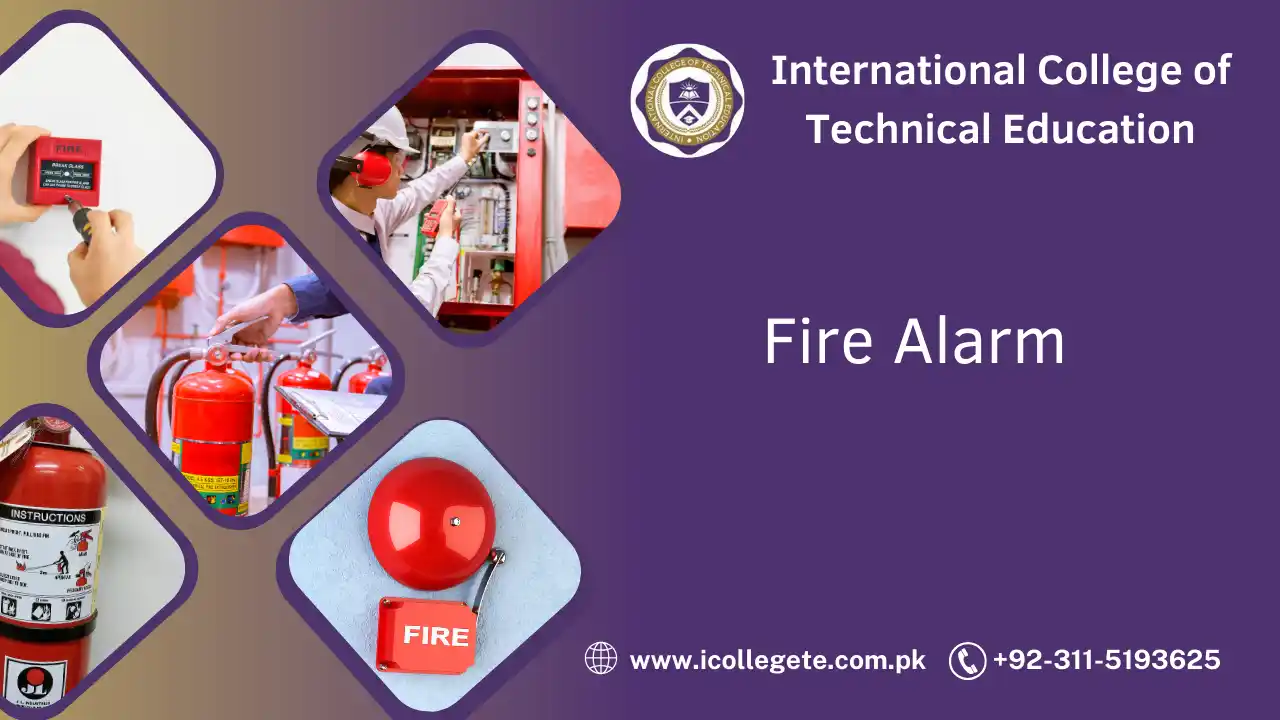
In a world where fire hazards remain one of the most significant risks to both residential and commercial properties, the need for skilled professionals in fire safety has never been greater. Among the most vital systems in fire safety are fire alarms, which serve as an early warning system that can save lives and prevent extensive property damage. If you’re in Attock and looking to develop a career in fire safety or enhance your existing skillset, a Fire Alarm Course could be the perfect fit for you.
The Fire Alarm Course in Attock is designed to provide individuals with a comprehensive understanding of fire alarm systems, from installation to maintenance and troubleshooting. This course covers the fundamental principles of fire alarm technology, safety regulations, and the critical role fire alarms play in protecting lives and property.
Participants will be taught how to install, maintain, and troubleshoot fire alarm systems, as well as how to ensure that these systems comply with local and international fire safety standards. Whether you’re looking to start a career in fire safety or expand your technical expertise, this course offers practical, hands-on training that can help you become proficient in fire alarm systems.
Course Overview
The Fire Alarm Course in Attock offers in-depth instruction on the theory and practice behind modern fire alarm systems. The course will cover various types of fire alarms, their components, installation procedures, and troubleshooting techniques. In addition to practical skills, you will also gain an understanding of relevant codes and standards in fire safety.
Throughout the course, students will receive both classroom-based instruction and hands-on training, ensuring they can confidently work with fire alarm systems in real-world situations. The course is suitable for both beginners and professionals seeking to enhance their knowledge of fire alarm technology.
Study Units
The Fire Alarm Course in Attock is divided into several modules that cover all critical aspects of fire alarm systems. Below is an overview of the study units:
- Introduction to Fire Alarm Systems
- Overview of fire alarm systems and their importance
- Basic principles of fire detection and alarm systems
- Types of fire alarms (smoke detectors, heat detectors, manual call points, etc.)
- Components of Fire Alarm Systems
- Understanding the key components of fire alarm systems: control panel, detectors, alarms, power supplies
- How different components work together to detect and alert during a fire
- Fire alarm circuits and wiring systems
- Installation of Fire Alarm Systems
- Step-by-step process of installing fire alarm systems in residential, commercial, and industrial settings
- Conducting site surveys and assessing building requirements
- Correct placement of detectors and alarms for maximum coverage
- Fire Alarm System Testing and Commissioning
- Procedures for testing fire alarms and ensuring proper functionality
- Troubleshooting common issues during system testing
- Commissioning and ensuring the system meets all local and international codes and standards
- Maintenance and Servicing of Fire Alarm Systems
- Regular inspection, maintenance, and servicing procedures for fire alarms
- Understanding how to identify system faults and prevent failures
- Documenting maintenance work and ensuring compliance with fire safety regulations
- Fire Alarm Codes and Standards
- Local and international fire safety regulations
- National Fire Protection Association (NFPA) codes and standards
- Understanding how fire alarm systems must comply with safety standards to ensure the highest level of protection
- Troubleshooting and Fault Diagnosis
- Common issues with fire alarm systems and how to resolve them
- Tools and techniques for diagnosing faults and errors in fire alarms
- Understanding alarm signals and what they indicate
- Fire Safety Protocols and Emergency Procedures
- Integrating fire alarm systems into broader fire safety protocols
- The importance of fire drills and emergency response planning
- How fire alarms communicate with other emergency systems (sprinklers, emergency lights, etc.)
Learning Outcomes
Upon completion of the Fire Alarm Course in Attock, you will:
- Have a solid understanding of how fire alarm systems operate and their role in ensuring fire safety.
- Be proficient in installing and configuring fire alarm systems in a variety of environments.
- Know how to conduct thorough tests and inspections to ensure systems are functioning properly.
- Be capable of troubleshooting common issues and performing repairs on faulty fire alarm systems.
- Be familiar with local and international fire safety codes and standards to ensure compliance.
- Understand how to integrate fire alarm systems with other building safety measures and protocols.
- Possess the knowledge required for regular system maintenance and servicing to ensure optimal performance.
Course Benefits
The Fire Alarm Course offers numerous advantages, including:
- Industry-Relevant Skills: This course provides you with practical skills in fire alarm system installation, maintenance, and troubleshooting, making you an asset to any employer in the fire safety or construction industry.
- Career Advancement: With increasing demand for qualified fire safety professionals, completing this course can open doors to various job opportunities, including roles as a fire alarm technician, installer, or maintenance expert.
- Hands-On Experience: The course includes practical, real-world training, giving you the confidence to work on fire alarm systems in any setting—whether residential, commercial, or industrial.
- Compliance with Fire Safety Regulations: You will learn the key fire safety regulations and standards, ensuring that your work is compliant with both local and international codes, reducing the risk of legal and safety issues.
- Increased Safety Awareness: As a fire alarm expert, you’ll play a crucial role in ensuring the safety of others. Your expertise will help protect lives and property from the devastating effects of fire.
- Flexibility in Career Options: Fire alarm technicians and consultants are needed in a variety of fields, from construction and maintenance companies to fire protection firms, giving you the flexibility to choose your career path.
Who is This Course For?
The Fire Alarm Course in Attock is ideal for:
- Aspiring Fire Alarm Technicians: Those interested in starting a career in fire safety and becoming skilled in installing and maintaining fire alarm systems.
- Electricians and Technicians: Professionals already working in the electrical or technical fields who want to specialize in fire alarm systems and enhance their knowledge.
- Building Safety Managers: Individuals responsible for maintaining the safety standards of commercial or residential buildings who need to learn about fire alarm systems.
- Fire Safety Consultants: Those looking to expand their expertise in fire safety and provide consultancy services to businesses or homeowners.
- Construction Professionals: Contractors, engineers, or project managers who want to better understand fire alarm systems and integrate them into new or renovated buildings.
Future Progression
After completing the Fire Alarm Course in Attock, there are several pathways for further development:
- Advanced Fire Safety Courses: You can pursue more advanced qualifications in fire safety, such as fire protection engineering or fire safety management, to further enhance your career prospects.
- Certification Programs: Achieving certifications from recognized bodies such as the National Fire Protection Association (NFPA) or the Institute of Fire Safety Managers (IFSM) can boost your qualifications and professional credibility.
- Specialization in Other Fire Safety Systems: You could choose to specialize in other fire safety systems, such as fire sprinkler systems, emergency lighting, or fire suppression systems.
- Fire Safety Consultancy: With experience and additional qualifications, you can become a fire safety consultant, advising organizations on how to improve their fire safety measures and ensuring compliance with regulations.
- Management Roles in Fire Safety: With additional experience, you could progress into supervisory or managerial roles within fire safety organizations or large-scale construction projects, overseeing fire safety systems and teams.
The Fire Alarm Course in Attock provides a solid foundation for anyone looking to build a career in fire safety. Whether you’re starting from scratch or looking to expand your current skillset, this course offers the knowledge and hands-on training needed to become proficient in fire alarm systems. With the increasing need for qualified fire safety professionals, this course is a great way to ensure job security and make a meaningful impact on the safety and well-being of others. Take the first step toward a rewarding career in fire safety today!