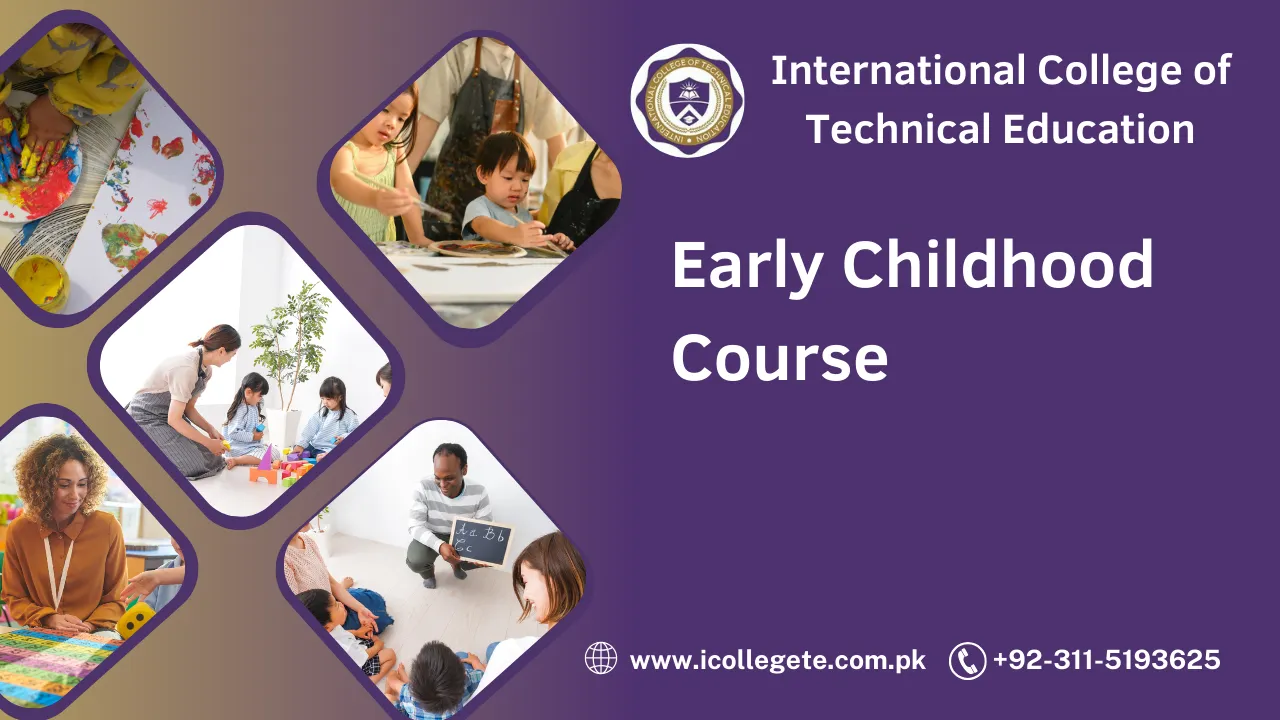
Early childhood education is the foundation of lifelong learning, and the Early Childhood Course in Peshawar has been designed to prepare individuals who aspire to work with young children during their most formative years. The Early Childhood Course in Peshawar provides essential knowledge and skills to nurture children’s growth, focusing on modern teaching practices and child‑centered approaches.
The Early Childhood Course in Peshawar emphasizes both theoretical understanding and practical application. Learners will explore child psychology, play‑based learning, classroom management, and inclusive education practices. With a curriculum tailored to the needs of Peshawar’s educational environment, participants will gain insights that are culturally relevant and globally applicable.
By enrolling in this course, students will not only enhance their professional qualifications but also develop the confidence to positively impact children’s lives. Whether you are starting your career or upgrading your skills, the Early Childhood Course in Peshawar offers a comprehensive pathway to success in the field of education.
Course Overview
The Early Childhood Course in Peshawar provides a structured curriculum covering all aspects of early childhood education. Students will learn about developmental milestones, effective teaching techniques, and the importance of creating safe, nurturing environments for children. The program blends theory with practice, ensuring learners can apply their knowledge in real‑world settings.
Graduates will be prepared to work in diverse educational environments, including preschools, kindergartens, and community learning centers. The course also emphasizes cultural relevance, making it particularly valuable for those working within Peshawar and surrounding regions.
Entry Requirements
To ensure participants are well‑prepared, the following entry requirements apply:
- Age Requirements: Applicants must be at least 18 years old.
- Professional Experience: Prior experience in teaching or childcare is preferred but not mandatory.
- Educational Background: Candidates with a background in education, psychology, or social sciences will be given preference.
- Language Proficiency: Basic proficiency in English or Urdu is required for understanding course materials.
- Commitment to Learning: Applicants must demonstrate a genuine interest in working with children and contributing to their development.
Course Study Units
- Introduction to Early Childhood Education
- Child Growth and Development
- Learning Through Play
- Classroom Management Techniques
- Child Psychology and Behavior
- Inclusive Education Practices
- Health, Safety, and Nutrition
- Curriculum Planning and Assessment
Course Learning Outcomes
By the end of this course, learners will achieve the following outcomes aligned with the study units:
Introduction to Early Childhood Education
- Understand the importance of early childhood education.
- Recognize the role of educators in shaping young minds.
Child Growth and Development
- Identify developmental milestones in children.
- Apply strategies to support holistic growth.
Learning Through Play
- Implement play‑based learning techniques.
- Design engaging activities that foster creativity.
Classroom Management Techniques
- Create safe and structured learning environments.
- Apply positive discipline strategies.
Child Psychology and Behavior
- Understand basic principles of child psychology.
- Address behavioral challenges effectively.
Inclusive Education Practices
- Recognize diverse learning needs.
- Apply inclusive teaching strategies.
Health, Safety, and Nutrition
- Promote healthy practices in early childhood settings.
- Ensure safety standards and nutritional awareness.
Curriculum Planning and Assessment
- Develop age‑appropriate lesson plans.
- Apply assessment methods to track learning progress.
Course Benefits
This course offers multiple benefits for learners:
Professional Growth
- Gain recognized certification in early childhood education.
- Enhance career opportunities in schools and daycare centers.
- Build confidence in teaching and caregiving roles.
Practical Skills
- Learn hands‑on classroom management techniques.
- Develop lesson plans tailored to young learners.
- Apply child psychology in real‑world scenarios.
Community Impact
- Contribute to the educational development of children in Peshawar.
- Support families by promoting healthy child growth.
- Strengthen community learning initiatives.
Personal Development
- Improve communication and interpersonal skills.
- Cultivate patience and empathy.
- Build leadership qualities in educational settings.
Who Can Enroll
This course is open to a wide range of individuals:
Aspiring Teachers
- Those planning to start a career in education.
- Individuals seeking specialized training in early childhood.
- Fresh graduates interested in teaching young learners.
Caregivers and Parents
- Parents who want to understand child development better.
- Caregivers working in daycare centers.
- Community workers supporting children’s growth.
Professionals in Education
- Teachers looking to upgrade their skills.
- School administrators focusing on early years programs.
- NGO workers involved in child welfare projects.
Future Progression
Completing this course opens doors to further opportunities:
Advanced Studies
- Pursue diplomas in education or child psychology.
- Enroll in bachelor’s programs in early childhood education.
- Specialize in inclusive education or special needs teaching.
Career Opportunities
- Work as preschool or kindergarten teachers.
- Join daycare centers or child development programs.
- Take roles in NGOs or community education projects.
Leadership Roles
- Progress to supervisory positions in schools.
- Lead early childhood education initiatives.
- Manage training programs for new educators.
International Pathways
- Apply for teaching roles abroad.
- Gain eligibility for international certifications.
- Expand career prospects in global education markets.
The Early Childhood Course in Peshawar is more than just an academic program—it is a gateway to shaping the future of young learners. By combining theory, practice, and cultural relevance, the course empowers participants to become skilled educators and caregivers who can make a lasting impact on children’s lives. With its comprehensive curriculum, practical study units, and clear learning outcomes, this course ensures that graduates are well‑prepared to meet the challenges of modern education.