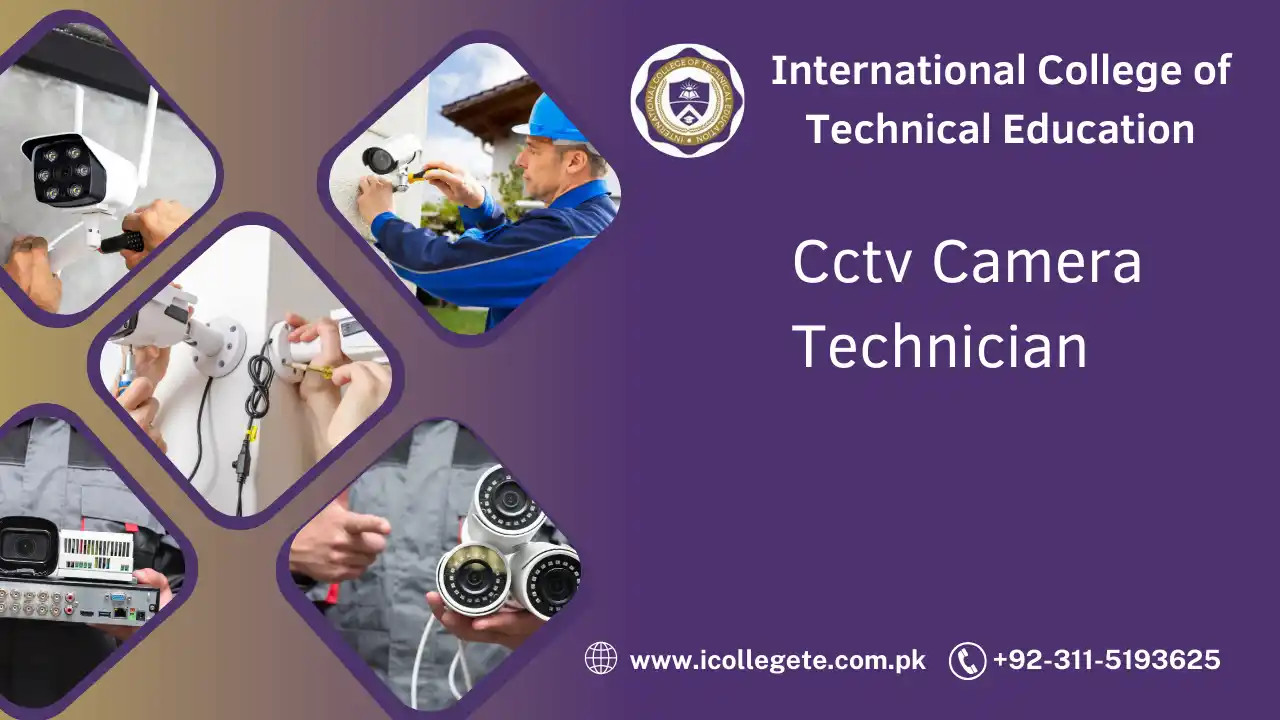
In today’s world, security is more important than ever. Whether for businesses, residential areas, or public spaces, CCTV (Closed Circuit Television) systems are a vital part of modern security infrastructure. This growing demand for surveillance solutions has created a need for skilled CCTV technicians.
The CCTV Camera Technician Course in Islamabad is designed to provide students with the essential skills to install, maintain, troubleshoot, and repair CCTV systems. The course covers everything from basic CCTV components to advanced configurations and troubleshooting methods. This program aims to equip students with the technical expertise required to manage surveillance systems effectively, ensuring both the safety of clients and the smooth operation of security setups.
Course Overview
This course focuses on both the theory and practical aspects of CCTV systems, providing a comprehensive understanding of how surveillance cameras work and how they are integrated into broader security infrastructures. Students will learn how to install various types of cameras, configure DVR/NVR systems, and ensure proper wiring and networking for optimal functionality. Additionally, the course covers troubleshooting techniques, maintenance practices, and industry-standard safety protocols.
Key Components of the Course:
- Introduction to CCTV Systems and Components
- Installation and Setup of CCTV Cameras
- Networking and Configuration of Surveillance Systems
- Troubleshooting and Maintenance of CCTV Systems
- Digital Video Recorders (DVR) and Network Video Recorders (NVR)
- CCTV System Security and Privacy Concerns
Study Units
The CCTV Camera Technician Course is divided into several core study units, each designed to provide a thorough understanding of different facets of CCTV technology. These include:
- Introduction to CCTV Systems and Components:
- Basic concepts of CCTV and its role in security.
- Understanding different types of cameras (analog vs. IP cameras).
- Learning about essential components such as cameras, cables, connectors, monitors, DVRs, and NVRs.
- Installation and Wiring of CCTV Systems:
- Techniques for installing cameras in various locations (indoor and outdoor).
- Wiring and cable management techniques.
- Mounting cameras and setting up camera angles for optimal coverage.
- Configuration and Integration of Surveillance Systems:
- Setting up and configuring DVRs/NVRs for recording and playback.
- Integrating cameras into the system using networking protocols.
- Configuring remote access and mobile viewing for clients.
- Troubleshooting and Repairing CCTV Systems:
- Diagnosing common issues such as poor video quality, dead cameras, and network problems.
- Hands-on troubleshooting techniques for repairing faulty equipment.
- Ensuring long-term reliability through regular maintenance checks.
- Security and Privacy in CCTV Surveillance:
- Understanding the legal and ethical considerations related to CCTV surveillance.
- Implementing best practices to protect system integrity and user privacy.
- Security protocols to prevent hacking and unauthorized access to footage.
Learning Outcomes
By the end of the CCTV Camera Technician Course, students will have acquired the following skills and knowledge:
- The ability to understand and explain the components of a CCTV system.
- Proficiency in installing, configuring, and maintaining CCTV systems for different environments.
- Knowledge of networking concepts relevant to CCTV systems, including IP camera setup and integration.
- Practical experience in troubleshooting and resolving issues with CCTV hardware and software.
- Familiarity with security, privacy, and legal concerns related to surveillance technology.
- Hands-on experience with DVRs/NVRs and managing video footage for client access.
Course Benefits
The CCTV Camera Technician Course offers several advantages for individuals seeking a career in security technology:
- Practical Skill Development: The course provides a combination of theoretical knowledge and hands-on practice, ensuring that students gain the technical skills necessary to perform CCTV installations and maintenance in real-world situations.
- Industry-Relevant Expertise: As CCTV technology continues to evolve, staying up-to-date with the latest trends and tools is essential. This course offers up-to-date training, allowing students to work with the latest surveillance systems, including advanced IP camera networks and remote viewing setups.
- High Demand for Technicians: With increasing concerns about safety and security, both individuals and organizations are investing in CCTV systems. This has led to a growing demand for skilled CCTV technicians. By completing this course, students position themselves to meet that demand.
- Diverse Career Opportunities: The skills gained in this course can be applied to a variety of industries, including security companies, private businesses, government agencies, construction companies, and more.
- Certification and Credibility: Upon completing the course, students will receive a recognized certification that validates their skills and enhances their job prospects in the competitive surveillance technology field.
Who is This Course For?
The CCTV Camera Technician Course is ideal for:
- Beginners: Individuals with no prior experience in security systems who are looking to break into the CCTV field.
- Existing Technicians: Professionals in related fields (such as IT or electrical work) who wish to expand their expertise into CCTV and surveillance technology.
- Security Enthusiasts: People interested in understanding security systems more thoroughly or starting a career in the growing field of surveillance.
- Entrepreneurs: Those who wish to start their own security company or become a freelance CCTV technician, providing installation and maintenance services to clients.
Future Progression After the Course
Upon completing the CCTV Camera Technician Course, graduates will have various opportunities for career growth and further specialization:
- Work as a CCTV Technician: Graduates can work for security companies, install and maintain CCTV systems for clients, and handle troubleshooting and repair tasks. There are also opportunities to work with larger organizations that require internal surveillance systems.
- Specialize in IP Camera Networks: As more businesses move to digital and networked systems, specializing in IP-based CCTV cameras and video surveillance networks can open doors to more advanced roles and higher-paying positions.
- Advanced Certifications: After gaining experience, technicians can pursue advanced certifications in CCTV technology or related fields like networking, cloud security, or IT, further boosting their credentials and career prospects.
- Start Your Own Security Business: With the technical skills learned in this course, graduates can launch their own business, offering CCTV installation, maintenance, and security consultation services to residential and commercial clients.
- Explore International Opportunities: As surveillance technology is widely used around the world, trained CCTV technicians are in demand internationally. Graduates of this course can explore job opportunities abroad, particularly in countries with expanding infrastructure and security needs.
The CCTV Camera Technician Course in Islamabad is an excellent opportunity for individuals looking to enter the growing field of security and surveillance technology. With a focus on both theory and practical skills, this course provides students with the tools they need to become proficient CCTV technicians capable of handling installations, troubleshooting, and maintenance. Given the increasing demand for security professionals in both private and public sectors, completing this course offers excellent career prospects and room for growth in a fast-developing industry. Whether you’re starting your career or looking to specialize, this course opens the door to a wide range of opportunities in the world of CCTV and security technology.