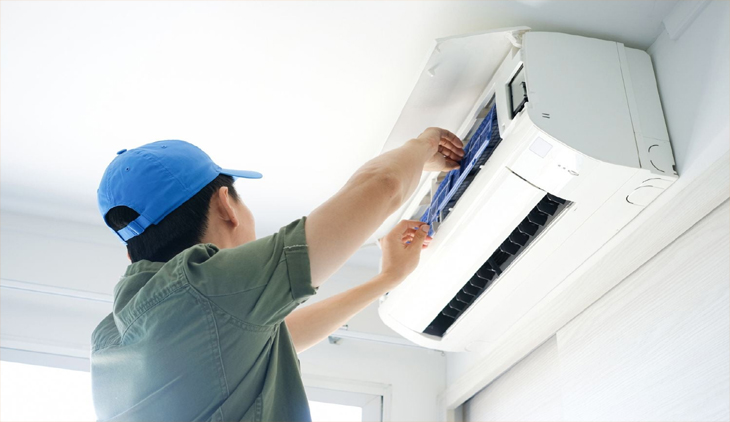
The AC Technician and Refrigeration Course is a comprehensive program designed to equip students with the knowledge and skills needed to excel in the field of air conditioning and refrigeration technology. This course covers essential concepts, practical applications, and advanced techniques to ensure graduates are well-prepared for a successful career in the HVAC-R industry. Through a combination of theoretical instruction and hands-on training, students will gain a deep understanding of air conditioning systems, refrigeration technologies, and maintenance procedures.
Course Benefits:
Upon completion of the AC Technician and Refrigeration Course, students will benefit from:
- In-Demand Skills: The HVAC-R industry continues to grow, creating a high demand for skilled technicians capable of installing, maintaining, and repairing air conditioning and refrigeration systems.
- Job Opportunities: Graduates will be equipped with the expertise required to pursue various career paths, including positions in commercial and residential HVAC-R maintenance, refrigeration system design, and more.
- Hands-on Training: The course emphasizes practical learning, providing students with hands-on experience in diagnosing issues, performing repairs, and optimizing system performance.
- Industry-Relevant Curriculum: The curriculum is designed in collaboration with industry professionals to ensure that graduates possess the most up-to-date knowledge and skills.
- Certification: Successful completion of the course will lead to a recognized certification, enhancing students’ credibility and employability.
Course Learning Outcomes:
Upon successfully completing the AC Technician and Refrigeration Course, students will be able to:
- Understand the principles of air conditioning and refrigeration technology.
- Identify and troubleshoot common issues in air conditioning and refrigeration systems.
- Install, maintain, and repair various types of cooling systems.
- Comprehend the fundamentals of refrigerants, their properties, and safe handling.
- Apply best practices for energy-efficient system design and operation.
- Demonstrate proficiency in using specialized tools and equipment.
- Interpret technical diagrams and blueprints related to HVAC-R systems.
- Implement proper safety protocols when working with refrigerants and electrical components.
- Communicate effectively with clients and colleagues regarding system maintenance and repairs.
- Stay updated with emerging trends and technologies in the HVAC-R industry.
Course Study Units:
- Introduction to HVAC-R Technology
- Basic Thermodynamics and Heat Transfer
- Refrigeration Cycles and Components
- Air Conditioning Systems and Principles
- Refrigerants and Environmental Regulations
- HVAC-R System Installation and Maintenance
- Electrical Fundamentals for HVAC-R Technicians
- Troubleshooting and Diagnostic Techniques
- Energy Efficiency in HVAC-R Systems
- Safety Practices and Regulations
- Commercial and Industrial Refrigeration Systems
- Emerging Trends in HVAC-R Technology
Entry Requirements:
Prospective students interested in enrolling in the AC Technician and Refrigeration Course should meet the following entry requirements:
- High school diploma or equivalent qualification.
- Basic understanding of mathematics and physics.
- Proficiency in English language (reading, writing, and speaking).
- Strong interest in technical and mechanical systems.
Future Progressions:
Upon completion of the AC Technician and Refrigeration Course, graduates will have various opportunities for future progression, including:
Employment as HVAC-R Technicians: Graduates can start their careers as entry-level technicians, working for HVAC-R service companies, contractors, or maintenance departments.
Specialization: Technicians may choose to specialize in areas such as commercial refrigeration, air conditioning installation, or system design.
Advanced Certification: Some graduates may opt to pursue advanced certifications, enhancing their skills and qualifications, which can lead to supervisory roles or consulting positions.
Entrepreneurship: With a solid foundation in HVAC-R technology, graduates may consider starting their own HVAC-R businesses, providing installation, maintenance, and repair services.
Further Education: Graduates may choose to pursue higher education in engineering, HVAC-R technology, or related fields to expand their knowledge and career opportunities.
Conclusion:
the AC Technician and Refrigeration Course offers a comprehensive curriculum, hands-on training, and valuable certifications that equip students with the skills needed to thrive in the dynamic field of air conditioning and refrigeration technology. This program opens the door to a range of exciting career opportunities and future growth in the HVAC-R industry.