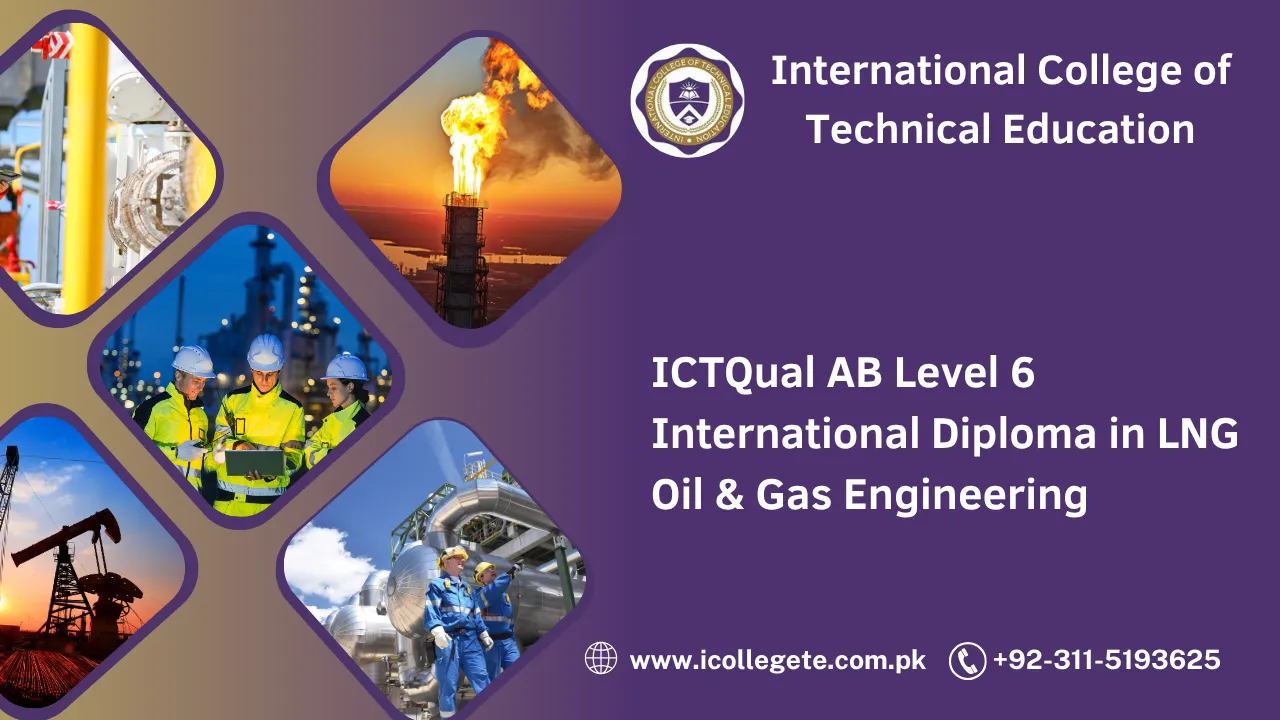
The ICTQual AB Level 6 International Diploma in Oil & Gas Engineering is an advanced professional qualification designed to prepare learners for technical and managerial roles in the global oil and gas industry. ICTQual AB Level 6 International Diploma in Oil & Gas Engineering provides an in-depth understanding of petroleum exploration, drilling operations, production engineering, reservoir management, and energy systems. ICTQual AB Level 6 International Diploma in Oil & Gas Engineering blends theoretical knowledge with real-world applications to ensure learners develop the competence and confidence required for high-demand positions in both upstream and downstream sectors.
The ICTQual AB Level 6 International Diploma in Oil & Gas Engineering covers vital concepts such as drilling technologies, well design, fluid mechanics, offshore and onshore operations, and environmental safety standards. Learners will also explore project management principles, energy efficiency strategies, and sustainable practices essential for modern petroleum operations. With a strong emphasis on innovation and global industry standards, the ICTQual AB Level 6 International Diploma in Oil & Gas Engineering equips professionals with the ability to solve complex engineering challenges while ensuring operational excellence and environmental responsibility.
Graduates of the ICTQual AB Level 6 International Diploma in Oil & Gas Engineering are well-positioned to pursue leadership roles in exploration companies, refineries, energy consultancies, and offshore projects. ICTQual AB Level 6 International Diploma in Oil & Gas Engineering is ideal for engineers, technicians, and industry professionals seeking to enhance their technical expertise and gain an internationally recognized credential in the dynamic oil and gas sector. Through ICTQual AB Level 6 International Diploma in Oil & Gas Engineering, learners gain the skills to drive energy efficiency, maintain safety compliance, and contribute to the sustainable growth of the petroleum industry worldwide.
Course Overview
The ICTQual AB Level 6 International Diploma in Oil & Gas Engineering provides a comprehensive understanding of the engineering principles, technologies, and management practices used in the global petroleum industry. ICTQual AB Level 6 International Diploma in Oil & Gas Engineering focuses on exploration, drilling, production, refining, and distribution processes, ensuring learners gain both technical and practical expertise.
The ICTQual AB Level 6 International Diploma in Oil & Gas Engineering integrates energy efficiency, safety standards, and environmental sustainability to prepare professionals for real-world challenges in upstream and downstream operations. Ideal for engineers, technicians, and industry specialists, ICTQual AB Level 6 International Diploma in Oil & Gas Engineering equips learners with the knowledge and skills needed to excel in international oil and gas projects, refinery management, and energy sector leadership roles.
Course Study Units
This qualification, the ICTQual AB Level 6 International Diploma in Oil & Gas Engineering, consists of 36 mandatory units.
Year 1 – Foundation in Oil & Gas Engineering
- Principles of Oil & Gas Engineering
- Introduction to Petroleum Exploration and Production
- Drilling and Well Engineering Fundamentals
- Construction Materials and Methods in Oil & Gas Projects
- Process Engineering Basics
- Project Planning and Scheduling in Oil & Gas Engineering
- Health, Safety, and Environmental Awareness in Oil & Gas
- Communication and Stakeholder Management in Energy Projects
- Digital Tools and Simulation Software in Oil & Gas
- Financial Management in Oil & Gas Projects
- Quality Assurance and Control in Engineering Operations
- Legal and Regulatory Frameworks in Oil & Gas
Year 2 – Intermediate Oil & Gas Engineering Practices
- Advanced Drilling Techniques and Well Operations
- Resource Management and Allocation in Oil & Gas Projects
- Process Design and Optimisation
- Pipeline and Infrastructure Engineering
- Procurement and Supply Chain Management in Energy Projects
- Project Risk Analysis and Mitigation
- Leadership and Team Management in Engineering Projects
- Offshore and Onshore Operations Management
- Sustainability and Environmental Management in Oil & Gas
- Project Monitoring and Reporting in Engineering Projects
- Problem-Solving and Decision-Making in Oil & Gas Projects
- Communication and Negotiation Skills in Energy Projects
Year 3 – Advanced Oil & Gas Engineering and Strategic Leadership
- Strategic Oil & Gas Project Management
- Advanced Production and Reservoir Engineering
- Energy Systems and Infrastructure Planning
- Innovation and Emerging Technologies in Oil & Gas
- Advanced Risk and Crisis Management in Engineering Projects
- Contract Management and Legal Compliance in Energy Projects
- Leadership in Oil & Gas Projects
- Advanced Project Control and Performance Measurement
- Project Governance and Compliance in Oil & Gas Operations
- Research Methods and Project Analysis in Energy Engineering
- Capstone Project in Oil & Gas Engineering
- Professional Development and Career Planning
Learning Outcomes of ICTQual AB Level 6 International Diploma in Oil & Gas Engineering
1. Understanding Oil and Gas Engineering Fundamentals
- Develop a solid foundation in petroleum geology, reservoir dynamics, and fluid properties.
- Understand the lifecycle of oil and gas operations from exploration to production.
- Learn key concepts of drilling, extraction, and refining processes.
- Identify the role of engineering disciplines in oil and gas system integration.
- Understand the global energy demand and market dynamics influencing oil and gas.
- Explore the chemical and mechanical principles behind petroleum processing.
- Gain insights into the economic and technical challenges of hydrocarbon production.
2. Mastering Exploration and Drilling Operations
- Learn advanced techniques in seismic data interpretation and reservoir mapping.
- Understand drilling rig components, mud circulation systems, and well control methods.
- Apply drilling fluid management, casing, and cementing techniques effectively.
- Identify safety procedures and risk mitigation strategies during drilling.
- Analyze wellbore stability, pressure control, and formation evaluation.
- Gain practical knowledge in both offshore and onshore drilling operations.
- Explore modern innovations in directional and horizontal drilling.
3. Production and Refinery Process Management
- Understand production systems including artificial lift, well testing, and flow assurance.
- Learn refinery operations such as distillation, cracking, and blending.
- Apply process optimization techniques to enhance production efficiency.
- Monitor and control refinery processes using instrumentation and automation.
- Study product quality assurance, storage, and transportation systems.
- Evaluate refinery economics and performance indicators.
- Explore the integration of digital technologies in refining operations.
4. Health, Safety, and Environmental (HSE) Management
- Understand international HSE standards applied in oil and gas engineering.
- Identify and mitigate workplace hazards in drilling and production facilities.
- Conduct environmental impact assessments and sustainability reporting.
- Learn emergency response planning and incident investigation techniques.
- Apply risk management principles to ensure operational safety.
- Promote a culture of safety, accountability, and environmental stewardship.
- Integrate sustainable practices into energy operations.
5. Energy Efficiency and Sustainable Development
- Explore strategies for reducing carbon emissions and improving energy efficiency.
- Study renewable integration within oil and gas operations.
- Understand the principles of sustainable energy management.
- Evaluate global energy transition trends and decarbonization policies.
- Implement energy conservation measures across drilling and refining stages.
- Promote circular economy practices in the petroleum sector.
- Develop solutions for reducing environmental footprints in operations.
6. Application of Digital and Technological Innovations
- Learn the role of automation, AI, and IoT in modern oil and gas operations.
- Apply simulation tools for drilling and production optimization.
- Use data analytics to improve decision-making and operational performance.
- Understand the benefits of digital twins and remote monitoring systems.
- Explore predictive maintenance and equipment reliability technologies.
- Implement cybersecurity measures for digital infrastructure protection.
- Embrace innovation to enhance productivity and sustainability.
7. Project Management and Leadership in Oil & Gas Operations
- Gain knowledge in project planning, budgeting, and scheduling within oil and gas projects.
- Apply project risk management and quality assurance techniques.
- Understand stakeholder communication and decision-making strategies.
- Lead multidisciplinary teams in technical and operational environments.
- Manage logistics, procurement, and resource allocation effectively.
- Learn contract management and regulatory compliance principles.
- Develop leadership skills essential for global oil and gas management.
8. Global Industry Awareness and Professional Development
- Understand global energy market trends and geopolitical influences.
- Explore international oil and gas regulations, trade, and compliance standards.
- Develop cross-cultural communication and professional collaboration skills.
- Build awareness of ethical and social responsibilities in the energy sector.
- Gain readiness for international certifications and industry accreditations.
- Strengthen problem-solving and analytical thinking for complex engineering challenges.
- Prepare for lifelong learning and continuous professional growth in the oil and gas field.
Entry Requirements for ICTQual AB Level 6 International Diploma in Oil & Gas Engineering
Age Requirement
- Applicants must be 18 years or older at the time of enrollment.
- Mature learners with relevant professional experience are also encouraged to apply.
Educational Background
- A Level 5 Diploma or an equivalent qualification in Engineering, Petroleum Studies, or a related technical discipline.
- Candidates with a Bachelor’s degree in science, technology, or mechanical fields are preferred.
- Applicants must demonstrate strong fundamentals in mathematics, physics, and engineering concepts.
Industry Experience
- A minimum of 2–3 years of relevant experience in oil and gas, energy systems, or industrial operations is desirable.
- Individuals with hands-on experience in drilling, refinery operations, or maintenance will have an added advantage.
- Fresh graduates with strong academic backgrounds may also be considered upon assessment.
English Language Proficiency
- Learners must possess a good command of the English language to understand technical and academic content.
- Proof of English proficiency through recognized certifications (IELTS, TOEFL, or equivalent) may be required.
- Non-native speakers can provide evidence of English-medium education or professional communication skills.
Additional Requirements
- Candidates must have basic computer literacy and familiarity with engineering software or technical documentation.
- A genuine interest in the oil and gas industry and commitment to professional development.
- Applicants should be capable of working in dynamic environments, demonstrating problem-solving and analytical abilities.
- Submission of a complete application form, academic transcripts, and relevant experience certificates before admission.
Course Benefits of ICTQual AB Level 6 International Diploma in Oil & Gas Engineering
1. Globally Recognized Qualification
- Earn an internationally accredited diploma that enhances your credibility in the global oil and gas industry.
- Build a professional profile recognized by energy companies, consultancies, and engineering organizations worldwide.
- Gain qualifications aligned with global technical and safety standards.
2. Comprehensive Technical Knowledge
- Develop an in-depth understanding of petroleum geology, drilling, production, and refining processes.
- Learn the complete oil and gas lifecycle—from exploration to distribution.
- Gain practical insights into both upstream and downstream operations.
3. Strong Industry Relevance and Practical Skills
- Acquire hands-on skills in drilling, well control, process optimization, and refinery management.
- Learn to apply theoretical knowledge to real-world industrial challenges.
- Understand field operations, safety protocols, and maintenance best practices.
4. Enhanced Career Opportunities
- Open doors to diverse job roles in exploration, drilling, production, and refinery operations.
- Increase employability in multinational oil and gas companies, EPC firms, and energy consultancies.
- Prepare for leadership positions in technical and managerial domains.
5. Integration of Innovation and Sustainability
- Learn how digital transformation, automation, and AI are shaping the energy industry.
- Understand sustainable energy practices and environmental management systems.
- Gain expertise in reducing carbon footprints and improving energy efficiency.
6. Leadership and Project Management Development
- Build leadership capabilities to manage technical teams and large-scale projects.
- Learn project planning, budgeting, and risk management tailored to oil and gas operations.
- Enhance communication, decision-making, and strategic thinking skills.
7. Pathway to Higher Education and Certification
- Use this diploma as a foundation for progression to Level 7 Diplomas or Bachelor’s/Master’s programs.
- Prepare for professional certifications such as IWCF, IADC, or HSE qualifications.
- Strengthen your academic and professional pathway in petroleum engineering and energy management.
8. Global Career Advancement
- Gain the confidence to work in international oil and gas environments across offshore and onshore sectors.
- Expand professional networks and explore global job markets.
- Position yourself for a sustainable, rewarding, and high-impact career in the energy industry.
Why Someone Should Choose the ICTQual AB Level 6 International Diploma in Oil & Gas Engineering
1. Globally Recognized and Accredited Qualification
- Internationally accepted by employers and educational institutions
- Meets global academic and professional standards
- Enhances credibility in the oil and gas industry
- Recognized pathway to higher-level qualifications
- Adds value to professional profiles and resumes
- Supports global mobility and work opportunities
- Strengthens reputation in technical and engineering fields
- Demonstrates commitment to professional development
2. Comprehensive and Industry-Relevant Curriculum
- Covers exploration, drilling, production, and refining processes
- Includes modules on HSE (Health, Safety & Environment)
- Focuses on energy efficiency and sustainable operations
- Integrates real-world industry practices and case studies
- Balances theoretical and practical learning
- Builds managerial and technical competence
- Keeps learners updated with modern engineering innovations
- Ensures relevance to current global industry needs
3. Strong Global Career Opportunities
- Opens doors to international job placements
- Prepares learners for roles in upstream, midstream, and downstream sectors
- High demand for skilled professionals in global markets
- Provides opportunities in exploration, refining, and pipeline projects
- Builds expertise suitable for multinational energy firms
- Facilitates career mobility across countries
- Offers competitive salaries and stable employment prospects
- Aligns with the energy sector’s global expansion trends
4. Practical and Technical Skill Enhancement
- Hands-on training in drilling and production operations
- Develops analytical and troubleshooting skills
- Encourages technical problem-solving and innovation
- Strengthens knowledge of advanced engineering systems
- Focuses on real-time monitoring and process control
- Provides exposure to simulation tools and software
- Enhances decision-making in operational environments
- Improves competence in handling complex engineering challenges
5. Gateway to Advanced Academic Pathways
- Qualifies learners for Level 7 Diplomas and Bachelor’s top-up programs
- Offers progression to Master’s in Petroleum or Energy Engineering
- Builds a strong foundation for professional certifications
- Recognized by universities and technical boards globally
- Facilitates lifelong learning and continuous skill growth
- Encourages participation in international research projects
- Promotes academic excellence and specialization
- Expands access to global educational networks
6. Expert Faculty and Industry Guidance
- Courses taught by experienced industry professionals
- Instructors with real-world oil and gas field exposure
- Personalized mentorship and academic support
- Regular interaction with technical experts
- Industry seminars and guest lectures
- Up-to-date learning resources and study materials
- Encourages professional networking and collaboration
- Connects learners with global oil and gas professionals
7. Emphasis on Health, Safety, and Environmental Management
- Focuses on occupational safety and risk control
- Promotes sustainable and ethical energy practices
- Builds awareness of environmental regulations
- Trains students to minimize industrial hazards
- Incorporates global HSE standards and protocols
- Strengthens skills in safety audits and inspections
- Encourages compliance with international policies
- Ensures readiness for modern energy transition goals
8. Designed for Professionals and Working Learners
- Flexible learning structure for career-oriented individuals
- Ideal for engineers, technicians, and supervisors
- Allows balance between work and study commitments
- Accessible for local and international students
- Offers online and blended learning options
- Supports career enhancement without job interruption
- Provides certifications beneficial for promotions
- Tailored for learners aiming for global energy leadership
Who Should Enroll in the ICTQual AB Level 6 International Diploma in Oil & Gas Engineering
1. Engineering Professionals
- Mechanical, chemical, electrical, or petroleum engineers seeking specialization
- Professionals working in drilling, production, and refining sectors
- Engineers aiming to transition into oil and gas management roles
- Individuals wishing to enhance technical and project expertise
- Those seeking recognized international engineering qualifications
2. Oil and Gas Industry Technicians
- Field operators, maintenance technicians, and supervisors
- Workers involved in offshore and onshore oil field operations
- Personnel handling process control and pipeline maintenance
- Professionals seeking advancement into mid- or senior-level roles
- Technicians aiming to upgrade practical skills with academic knowledge
3. Recent Engineering and Science Graduates
- Graduates with degrees or diplomas in mechanical, chemical, or energy disciplines
- Individuals aspiring to begin a career in the oil and gas industry
- Fresh graduates looking for international certification to boost employability
- Those aiming to gain foundational experience before entering the workforce
- Candidates wishing to build technical credibility early in their careers
4. Mid-Career Professionals Seeking Career Advancement
- Experienced professionals aiming to move into leadership or management positions
- Employees looking to diversify their expertise within energy operations
- Workers seeking global opportunities in multinational energy firms
- Professionals interested in expanding technical and strategic capabilities
- Individuals preparing for senior engineering or consultancy roles
5. Health, Safety, and Environment (HSE) Practitioners
- Safety officers and environmental specialists in oil and gas operations
- Professionals focused on risk management and safety systems
- Individuals seeking to integrate safety and engineering skills
- Those aspiring to contribute to sustainable and safe energy practices
- Workers involved in compliance, auditing, and inspection roles
6. Energy Sector Entrepreneurs and Consultants
- Business owners planning to enter the oil and gas market
- Consultants advising on petroleum, exploration, and refining projects
- Energy professionals aiming to understand project feasibility and economics
- Entrepreneurs exploring investments in oil, gas, and related industries
- Independent contractors looking for technical and managerial credentials
7. Government and Regulatory Personnel
- Officials involved in energy, environmental, and resource regulation
- Policymakers and analysts in oil, gas, and energy departments
- Inspectors overseeing compliance with industrial and safety standards
- Professionals responsible for approving or auditing energy projects
- Staff seeking specialized training for technical policy implementation
8. International Students and Global Learners
- Learners from around the world seeking a UK-accredited qualification
- Individuals looking for flexible, career-oriented global programs
- Students interested in working with international oil and gas firms
- Professionals seeking recognized qualifications to work abroad
- Global learners passionate about sustainable energy and innovation
Future Progression for ICTQual AB Level 6 International Diploma in Oil & Gas Engineering
1. Advanced Academic Opportunities
- Progress to ICTQual Level 7 or equivalent postgraduate diplomas.
- Enroll in Master’s degree programs in Petroleum, Energy, or Chemical Engineering.
- Gain eligibility for specialized research in drilling, production, or energy systems.
- Pursue international university pathways in oil and gas management.
- Strengthen theoretical knowledge through advanced academic study.
- Enhance professional credibility with globally recognized qualifications.
- Build a foundation for pursuing PhD programs in energy and resource engineering.
- Develop research-based skills aligned with global energy industry needs.
2. Career Advancement in Oil & Gas Operations
- Move into senior engineering and technical roles.
- Qualify for positions such as Reservoir Engineer, Production Engineer, or Field Engineer.
- Gain leadership opportunities in offshore and onshore projects.
- Increase employability in top-tier oil and gas corporations worldwide.
- Manage operational processes in drilling, extraction, and refining.
- Supervise field operations with enhanced technical expertise.
- Achieve professional recognition and higher salary prospects.
- Contribute to efficient, safe, and sustainable production systems.
3. Transition to Project and Technical Management
- Advance into roles such as Project Manager or Technical Supervisor.
- Lead multi-disciplinary teams in global oil and gas projects.
- Develop planning, budgeting, and project execution skills.
- Coordinate large-scale operations across various engineering domains.
- Apply management principles to optimize performance and cost efficiency.
- Improve leadership skills for strategic decision-making.
- Engage in high-impact projects for major international companies.
- Prepare for executive-level management certifications and roles.
4. Opportunities in Health, Safety & Environmental Management
- Transition into HSE-focused careers within oil and gas operations.
- Gain expertise in environmental compliance and safety standards.
- Implement sustainability and risk management frameworks.
- Contribute to pollution control and emission reduction programs.
- Manage audits and safety reviews for regulatory compliance.
- Support occupational health and safety training initiatives.
- Ensure environmental protection in drilling and refining processes.
- Lead HSE teams to promote workplace safety and sustainability.
5. Consultancy and Technical Advisory Roles
- Work as a consultant or advisor in petroleum exploration and production.
- Provide expert analysis for drilling and well-control optimization.
- Offer technical solutions for oilfield performance improvement.
- Collaborate with international energy firms on project planning.
- Conduct feasibility studies for exploration and production ventures.
- Develop strategic insights for new energy project development.
- Advise governments and organizations on oil and gas policies.
- Establish independent consulting firms specializing in petroleum services.
6. Expansion into Renewable Energy Sectors
- Transition from fossil fuel to renewable and sustainable energy systems.
- Apply oil and gas knowledge to solar, wind, and bioenergy integration.
- Support hybrid energy projects combining conventional and clean technologies.
- Engage in green transition projects across global energy markets.
- Develop skills relevant to energy storage, hydrogen, and LNG.
- Contribute to carbon neutrality and sustainable development initiatives.
- Explore careers in energy efficiency and emissions reduction programs.
- Bridge expertise between traditional and renewable energy industries.
7. Leadership and Executive Development
- Progress into senior management and executive-level positions.
- Lead operational divisions within international energy corporations.
- Shape strategic policies for oil, gas, and energy development.
- Drive innovation and digital transformation in energy operations.
- Cultivate high-level negotiation and leadership skills.
- Oversee multinational teams and complex global projects.
- Influence decision-making in energy production and distribution.
- Become a key contributor to corporate sustainability goals.
8. Academic, Research, and Training Pathways
- Enter teaching roles in universities or technical institutes.
- Conduct applied research in petroleum technologies.
- Participate in industry-academic collaborations for innovation.
- Contribute to curriculum development for oil and gas education.
- Lead technical workshops and professional training sessions.
- Publish research papers in international energy journals.
- Mentor junior engineers and future energy professionals.
- Establish a career in academic leadership and knowledge development.