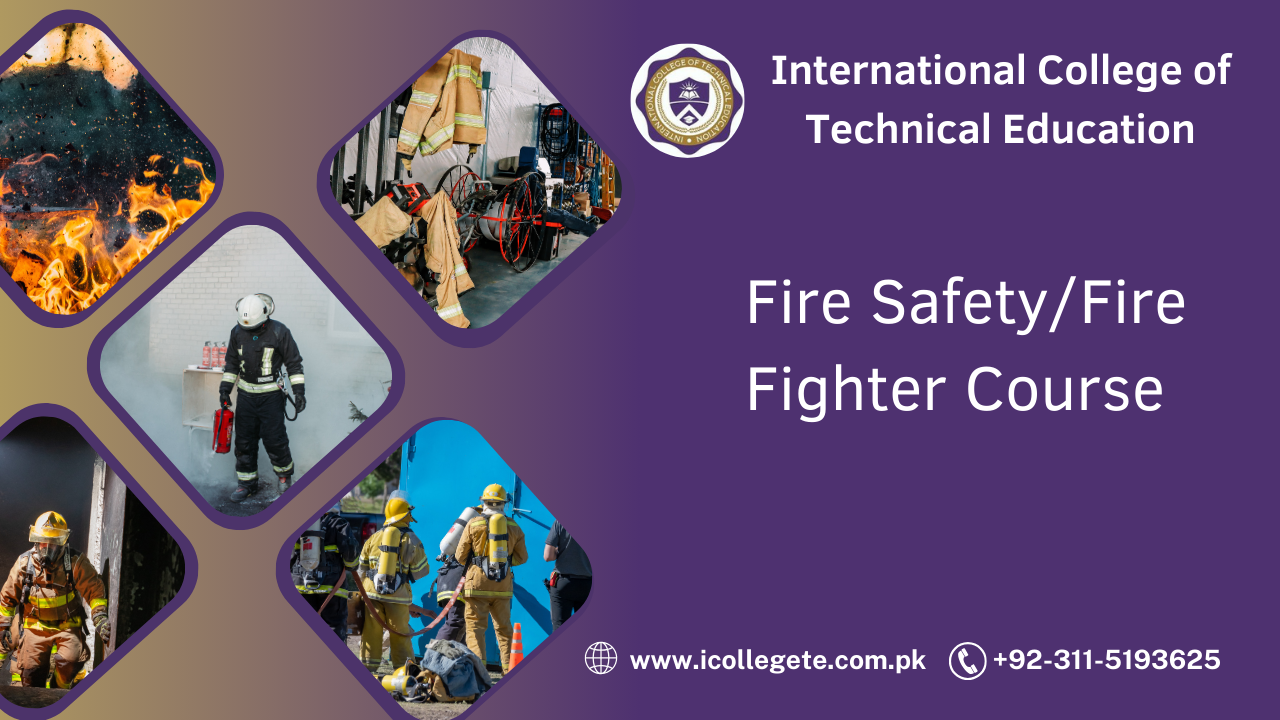
Fire safety is a critical component of any public or private infrastructure, and trained professionals play a vital role in minimizing the risks and consequences of fire-related incidents. With growing industrial, commercial, and residential development across the state, the demand for qualified fire safety personnel is rising steadily. The Fire Safety or Firefighter Course in Gujarat offers comprehensive training to equip individuals with the knowledge and skills required to prevent, manage, and respond to fire emergencies.
The Fire Safety / Firefighter course is designed to prepare individuals for careers in fire prevention, fire control, and emergency response. It provides both theoretical and practical training in fire science, rescue operations, emergency preparedness, and use of firefighting equipment.
In Gujarat, where rapid urbanization and industrial growth are increasing fire risks, this course is essential for building a workforce capable of protecting lives, assets, and the environment from fire hazards.
Course Overview
The course is available through various government-recognized institutions, fire training academies, and technical institutes across Gujarat. It may be offered as a certificate, diploma, or advanced diploma program, depending on the level of training.
- Duration: Ranges from 3 months (basic certificate) to 1–2 years (diploma/advanced diploma)
- Mode of Study: Classroom-based, with field and practical training
- Certification: Awarded by recognized fire safety authorities or educational institutions
- Eligibility: Minimum 10th or 12th pass, depending on the level of the course
- Language: Usually delivered in English, Hindi, or Gujarati
Study Units
The curriculum combines classroom instruction with practical drills and real-life scenario simulations. Key study units include:
- Introduction to Fire Safety and Prevention
- Understanding fire behavior, causes, and fire triangle
- Fire safety principles and risk identification
- Types of Fires and Extinguishing Methods
- Classification of fires (Class A, B, C, etc.)
- Types and usage of fire extinguishers
- Fire Detection and Alarm Systems
- Smoke detectors, fire alarms, and emergency warning systems
- Firefighting Equipment and Techniques
- Hoses, nozzles, hydrants, and sprinkler systems
- Safe operation and maintenance of equipment
- Rescue Operations and Emergency Response
- Evacuation procedures
- Search and rescue techniques
- First Aid and Emergency Medical Response
- Basic life support (BLS)
- Treatment of burns, injuries, and smoke inhalation
- Building Safety Codes and Fire Legislation
- National Building Code of India (NBC)
- Local fire safety laws and compliance
- Disaster Management and Incident Command System
- Emergency planning and crisis coordination
Learning Outcomes
By the end of the course, participants will be able to:
- Understand the principles of fire prevention and protection
- Identify fire hazards and implement safety measures
- Respond effectively to fire emergencies and conduct rescue operations
- Operate firefighting and safety equipment properly
- Conduct fire drills and safety audits
- Comply with fire safety regulations and emergency protocols
- Administer first aid and coordinate with emergency medical services
Course Benefits
- Life-Saving Skills: Equips individuals with the ability to protect people and property in fire-related emergencies
- Career Opportunities: Opens doors to employment in government fire departments, industrial safety roles, and emergency services
- Legal Compliance: Helps organizations meet fire safety standards and avoid penalties
- Improved Workplace Safety: Enhances the safety culture in buildings, factories, hospitals, schools, and commercial premises
- Hands-On Training: Emphasis on practical exercises builds real-world confidence and readiness
Who is This Course For?
The Fire Safety / Firefighter course is ideal for:
- Aspiring firefighters and emergency response professionals
- Security personnel and safety officers
- Industrial and construction workers
- Safety auditors and facility managers
- School and hospital safety staff
- Anyone interested in a career in fire safety or disaster response
No prior firefighting experience is required for basic courses. Advanced courses may require prior training or physical fitness assessments.
Future Progression
After completing a fire safety or firefighter course, candidates can pursue higher qualifications and specializations, such as:
- Diploma in Industrial Safety Management
- Advanced Firefighting and Rescue Techniques
- Disaster Management Courses
- HSE (Health, Safety, and Environment) Training
- NEBOSH Certificate (for international safety roles)
- Leadership or Officer-Level Fire Training
- Fire Safety Inspector or Auditor Certification
Professionals may also seek employment in sectors such as oil and gas, aviation, construction, logistics, manufacturing, and government fire services, both in India and abroad.
The Fire Safety / Firefighter Course in Gujarat provides essential training for individuals who aim to take on roles in emergency response and fire prevention. With a strong focus on practical skills, legal knowledge, and crisis management, this course prepares participants to act quickly and effectively in life-threatening situations. Whether you are starting your career or looking to upskill, this course offers the foundation and pathway to a rewarding and impactful profession in fire safety.