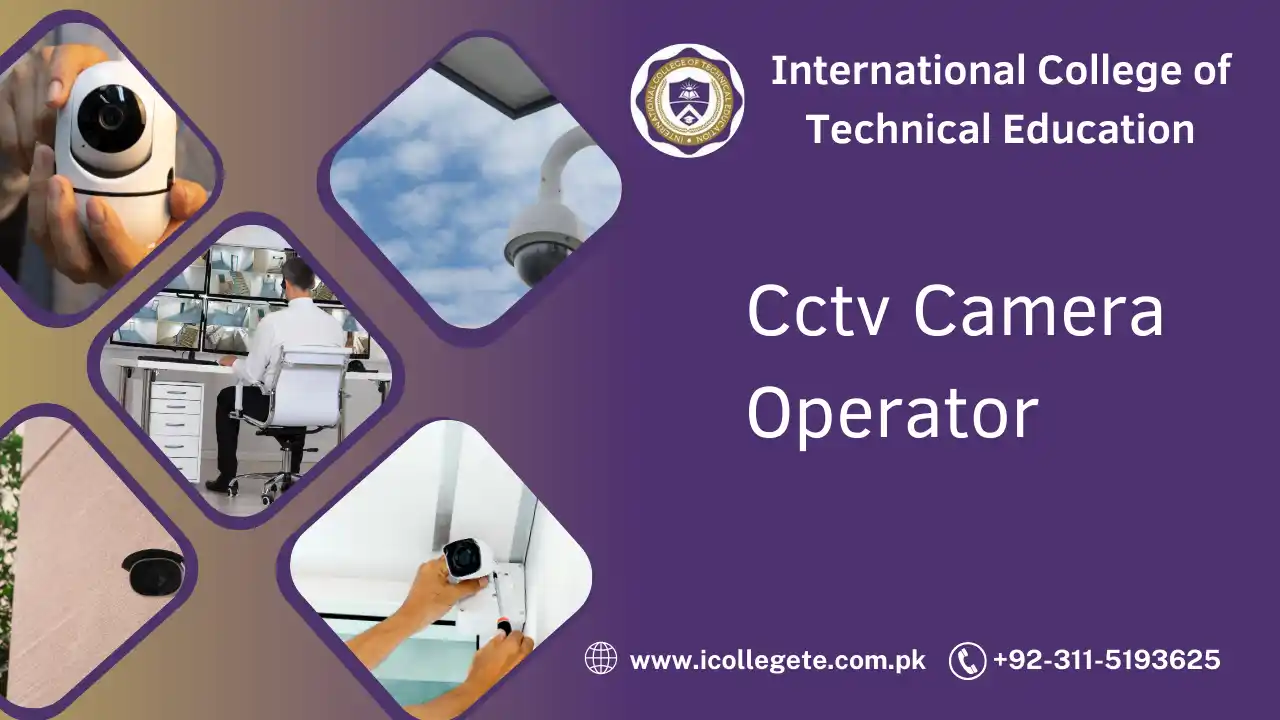
The demand for skilled professionals in the field of surveillance is continuously increasing. Whether it’s for commercial buildings, residential areas, or public spaces, CCTV systems play a crucial role in ensuring security and safety. A CCTV Camera Operator is a specialized role that requires both technical knowledge and observational skills to monitor security footage effectively. For those interested in pursuing a career as a CCTV operator in Jhelum, enrolling in a CCTV Camera Operator course is an excellent step toward gaining the necessary skills and certifications.
The CCTV Camera Operator course in Jhelum is specifically designed for individuals who wish to become proficient in managing and operating CCTV systems. The course teaches students how to monitor live security feeds, detect potential threats, and ensure that surveillance operations run smoothly. In addition to technical skills, students will also gain an understanding of the legal and ethical considerations involved in surveillance and security operations.
Course Overview
This comprehensive course covers a range of topics necessary for effective CCTV operation. From the basic understanding of CCTV systems to advanced monitoring techniques, the course provides both theoretical knowledge and practical skills. Participants will learn how to handle various types of CCTV cameras, understand their features, and operate monitoring systems to ensure the security of premises.
The course also emphasizes the importance of vigilance and analytical thinking, enabling operators to identify suspicious activities, review footage accurately, and provide timely responses. With the increasing need for surveillance in various sectors, becoming a trained CCTV Camera Operator opens up multiple career opportunities in both the public and private sectors.
Study Units
The CCTV Camera Operator course in Jhelum generally includes the following study units:
- Introduction to CCTV Systems
- Basics of CCTV technology
- Components of CCTV systems (cameras, monitors, DVRs/NVRs)
- Types of CCTV cameras (fixed, PTZ, dome, bullet, etc.)
- CCTV Camera Operation and Monitoring
- How to operate different types of CCTV cameras
- Understanding camera positioning and angles for optimal coverage
- Using CCTV monitoring software and tools
- Surveillance Techniques and Best Practices
- How to observe security footage effectively
- Identifying suspicious behavior and incidents
- Best practices for surveillance in different environments (public spaces, retail, industrial, etc.)
- Legal and Ethical Issues in Surveillance
- Privacy laws and regulations related to CCTV surveillance
- Ethical considerations for CCTV operators
- Understanding the implications of surveillance footage usage
- Incident Reporting and Response
- How to document and report incidents
- Effective communication with security personnel or law enforcement
- Responding to alarms and emergency situations
- Security System Maintenance and Troubleshooting
- Basic troubleshooting of CCTV systems
- Understanding common issues in surveillance systems
- Maintaining equipment for optimal performance
Learning Outcomes
Upon successful completion of the CCTV Camera Operator course, students will be able to:
- Operate and monitor different types of CCTV cameras and security systems.
- Identify suspicious activities and respond to potential threats.
- Understand the legal, ethical, and privacy issues related to CCTV operations.
- Efficiently document incidents and report them to relevant authorities.
- Maintain and troubleshoot basic CCTV system issues.
- Ensure the security and surveillance operations are running smoothly and effectively.
Course Benefits
- Practical Knowledge and Experience: The course offers practical training, allowing students to gain hands-on experience with CCTV systems and software. This ensures they are prepared for real-world surveillance tasks.
- Enhanced Career Opportunities: With the increasing reliance on CCTV for security purposes, there is a growing demand for skilled operators. Completing this course makes graduates more competitive in the job market.
- Industry Recognition: The course provides certification recognized within the security industry, improving employability and career prospects.
- Comprehensive Skillset: Beyond basic camera operation, the course covers incident reporting, legal considerations, and troubleshooting, making students well-rounded professionals in the field.
- Learning from Experts: The course is taught by industry experts who provide valuable insights and hands-on training, ensuring that students are equipped with the knowledge and skills needed to succeed.
Who is this Course For?
The CCTV Camera Operator course is ideal for:
- Aspiring CCTV Operators: Individuals who want to work in surveillance and security industries, monitoring CCTV systems and ensuring the safety of public and private spaces.
- Security Professionals: People already working in security roles who wish to enhance their skills and specialize in CCTV operation.
- Technology Enthusiasts: Individuals who have an interest in security technology and wish to develop a career in operating and managing modern surveillance systems.
- Business Owners and Managers: Those looking to manage or oversee the operation of CCTV systems in their own businesses, ensuring security and safety.
- Ex-Servicemen or Law Enforcement Officers: Individuals with a background in law enforcement or security who wish to shift to a more technical role in the surveillance industry.
Future Progression
Completing the CCTV Camera Operator course opens up various pathways for career advancement:
- CCTV Supervisor: With experience, a CCTV operator can move into a supervisory role, overseeing a team of operators and ensuring that surveillance operations run smoothly.
- Security Manager: CCTV operators can eventually transition to managerial positions, where they would be responsible for developing and implementing security strategies and policies for large organizations.
- Surveillance System Specialist: With additional training in security technology, operators can become specialists in surveillance systems, responsible for designing, installing, and managing CCTV infrastructure.
- Security Consultant: Experienced CCTV operators can work as consultants, advising businesses or governmental organizations on the best surveillance practices and technologies for their specific needs.
- Advanced Training and Certifications: Further certifications in areas such as advanced surveillance, security management, or networked CCTV systems can help operators advance their skills and take on more complex roles.
The CCTV Camera Operator course in Jhelum is an excellent opportunity for anyone interested in a career in the security and surveillance industry. With comprehensive training in both practical and theoretical aspects of CCTV operation, students will be equipped with the skills necessary to monitor and manage security footage effectively. This course not only enhances job prospects but also offers a clear pathway for future progression into higher roles in security management. Whether you’re looking to enter the field or advance your career, this course provides the foundation for a successful future in security surveillance.