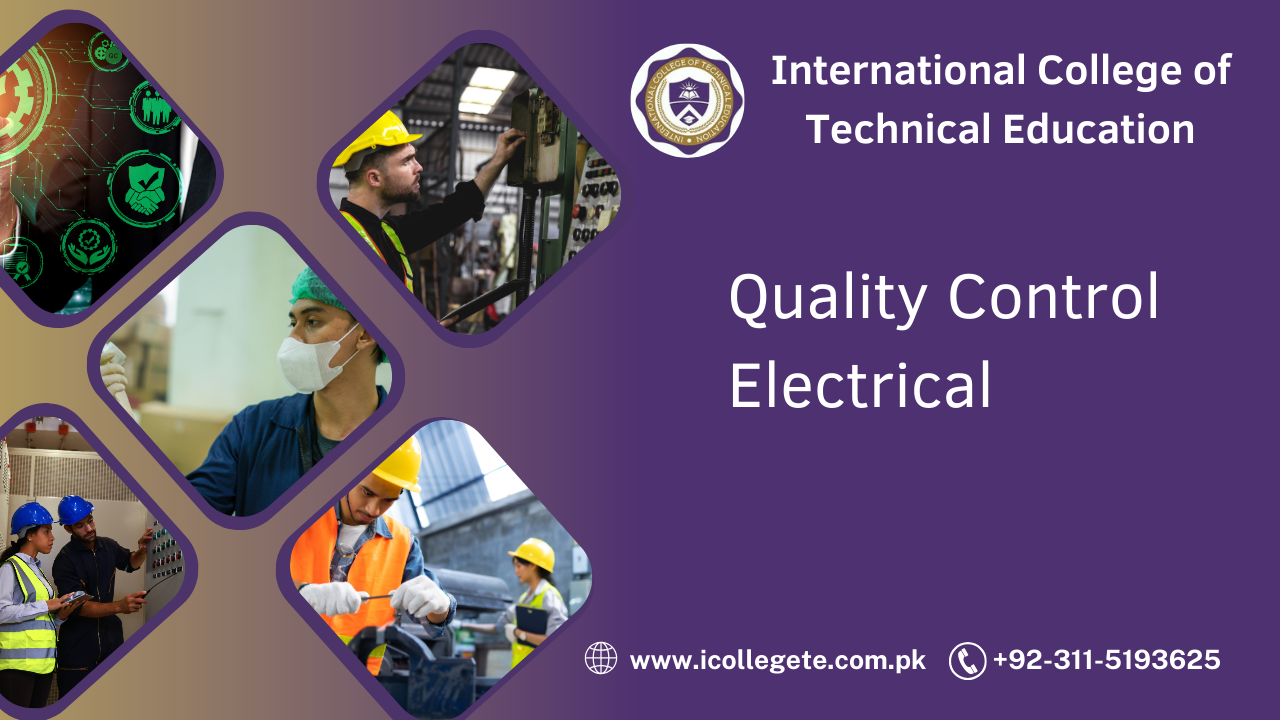
In the world of electrical engineering, ensuring that installations, systems, and components are safe, efficient, and compliant with industry standards is critical. Whether in residential, commercial, or industrial sectors, electrical systems must meet strict quality standards to ensure safety, performance, and longevity. The Quality Control Electrical Course in Chakwal is designed to equip professionals with the essential skills and knowledge needed to implement and manage quality control processes in the electrical engineering field.
The Quality Control Electrical Course in Chakwal aims to provide participants with a thorough understanding of quality control (QC) principles and practices specifically for the electrical engineering sector. The course covers the basics of electrical systems, standards, and quality control techniques, including material inspections, system testing, electrical safety, and compliance with local and international codes.
Upon completion of this course, students will be prepared to implement and supervise quality control processes within electrical projects, ensuring all electrical systems meet safety regulations, efficiency standards, and performance criteria.
Course Overview
The Quality Control Electrical Course in Chakwal is designed to deliver practical knowledge of quality assurance and control in electrical installations and systems. The course focuses on how quality control measures are applied to electrical systems during design, installation, and maintenance phases. It also explores how quality control processes prevent errors and improve system efficiency, contributing to the overall safety of electrical installations.
The course includes a blend of theoretical concepts, practical skills, and industry-standard tools used in electrical testing, inspections, and compliance procedures. By completing the course, participants will be able to manage and monitor electrical projects to ensure all systems meet the required specifications and standards.
Study Units
The Quality Control Electrical Course in Chakwal consists of the following study units:
- Introduction to Electrical Quality Control
- What is quality control in electrical engineering?
- Importance of quality control in electrical installations and maintenance
- Overview of industry standards and codes (NEC, IEC, and local standards)
- Role of quality control in ensuring system performance and safety
- Electrical Systems and Components
- Basic electrical concepts: circuits, voltage, current, resistance, and power
- Understanding electrical components: transformers, panels, cables, and circuit breakers
- Importance of choosing quality materials for electrical systems
- Standard electrical components and their specifications
- Quality Standards in Electrical Engineering
- Introduction to international and local standards (ISO 9001, IEC standards)
- Safety standards for electrical systems (OSHA, NEC regulations)
- The role of compliance with building codes and electrical safety regulations
- Quality control measures to ensure adherence to standards
- Electrical System Testing and Inspections
- Common testing methods for electrical systems: continuity, insulation resistance, earth leakage, and more
- How to perform inspections on electrical components and systems
- Calibration of electrical testing instruments
- Identifying and rectifying common electrical faults during inspections
- Electrical Safety and Hazard Prevention
- Electrical safety procedures for installations and maintenance
- Preventing electrical hazards: overloads, short circuits, grounding issues
- Ensuring compliance with safety regulations during electrical testing
- Personal protective equipment (PPE) and safety protocols
- Installation Quality Control
- Quality control during the installation of electrical systems: wiring, grounding, panel setup
- Identifying installation defects and preventing common mistakes
- Ensuring proper documentation and record-keeping of installations
- The role of commissioning tests in electrical systems
- Preventive Maintenance and Fault Finding
- Techniques for preventive maintenance of electrical systems
- Troubleshooting and diagnosing electrical issues
- Maintaining electrical systems to ensure reliability and longevity
- Corrective actions for faulty electrical installations
- Quality Control Documentation and Reporting
- How to document electrical quality control processes
- Creating inspection and test reports
- Non-conformance reporting and corrective actions
- Reporting quality issues to project managers and stakeholders
Learning Outcomes
Upon completion of the Quality Control Electrical Course in Chakwal, students will be able to:
- Understand the fundamentals of quality control in the electrical engineering sector.
- Perform electrical system tests, inspections, and troubleshooting to ensure quality compliance.
- Ensure that electrical installations meet national and international safety and quality standards.
- Apply quality assurance methods to prevent defects in electrical systems and installations.
- Conduct preventive maintenance and implement corrective measures for electrical systems.
- Document quality control processes and maintain accurate inspection reports.
- Identify non-conformance issues and take corrective actions to ensure systems meet specifications.
- Develop a comprehensive understanding of the role of quality control in ensuring the safety, reliability, and efficiency of electrical systems.
Course Benefits
- Industry-Relevant Skills: This course equips you with the necessary skills to perform electrical system tests, inspections, and ensure compliance with industry standards.
- Enhanced Career Opportunities: With the increasing demand for skilled electrical quality control professionals, this course will open up numerous job opportunities in the electrical and construction industries.
- Practical Knowledge: The course is designed with hands-on learning and practical applications to ensure you gain real-world skills for inspecting and testing electrical systems.
- Safety and Compliance: Learn the best practices for ensuring electrical systems are safe and comply with international regulations, reducing the risk of hazards and improving system performance.
- Quality Assurance Expertise: You will gain in-depth knowledge of quality control systems, inspections, testing, and documentation in the electrical sector, making you a valuable asset to any team or project.
- Certification: Successful completion of the course provides you with a recognized certification in electrical quality control, which can boost your employability and career progression.
Who is This Course For?
The Quality Control Electrical Course in Chakwal is ideal for:
- Aspiring Electrical Engineers: Those interested in specializing in electrical quality control to ensure safe and efficient installations.
- Electrical Technicians: Professionals working in the electrical field who wish to expand their knowledge of quality control practices.
- Construction Managers: Individuals overseeing electrical installations on construction sites who need to understand quality assurance procedures.
- Electrical Inspectors: Professionals who conduct inspections of electrical installations and want to enhance their testing and reporting skills.
- Project Managers: Individuals managing electrical projects who want to ensure that all systems meet safety and quality standards.
- Graduates in Electrical Engineering: Students or fresh graduates who want to specialize in quality control to advance their careers in the electrical industry.
Future Progression
Upon completing the Quality Control Electrical Course in Chakwal, you will be well-positioned for career advancement. Potential roles include:
- Electrical Quality Control Inspector: Perform inspections, testing, and verification of electrical systems and installations.
- Electrical Quality Assurance Manager: Oversee the implementation of quality control practices and ensure compliance with industry standards.
- Electrical Project Manager: Manage electrical projects, ensuring that quality control measures are adhered to throughout the project lifecycle.
- Electrical Maintenance Supervisor: Supervise the maintenance and testing of electrical systems, ensuring optimal performance and safety.
- Electrical Safety Officer: Ensure that electrical installations meet safety standards and manage risk assessments and hazard prevention strategies.
- Technical Consultant: Provide expert advice on quality control systems and practices in electrical installations and systems.
The Quality Control Electrical Course in Chakwal is an excellent choice for anyone seeking to enhance their career in the electrical field by specializing in quality control and assurance. By gaining expertise in electrical system testing, safety, and regulatory compliance, you will be prepared to play a key role in ensuring the quality and safety of electrical installations across industries. Whether you are just starting your career or looking to advance in the electrical sector, this course provides the knowledge and skills necessary to excel in the field of electrical quality control.