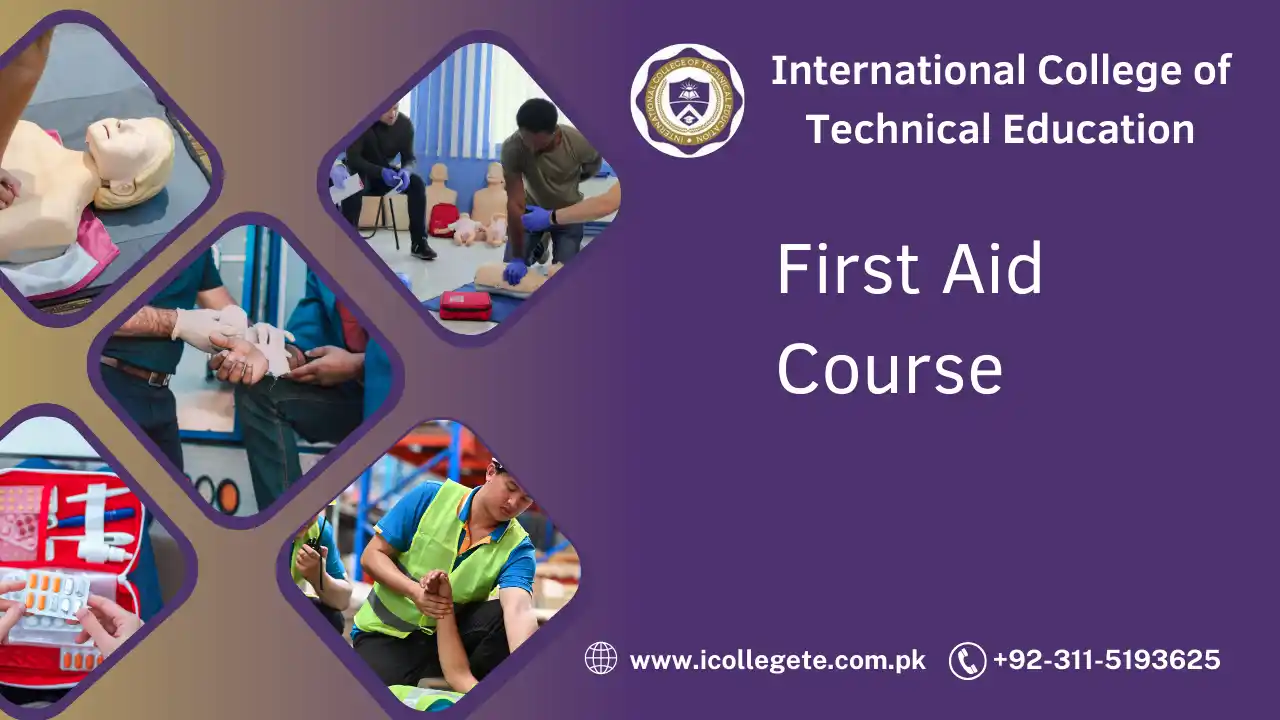
In emergency situations, the ability to provide immediate assistance can be the difference between life and death. A First Aid course equips individuals with the vital skills needed to handle common medical emergencies and save lives. Whether you are a parent, teacher, healthcare worker, or simply someone who wants to be prepared for unexpected situations, taking a First Aid course is a step towards being a responsible and proactive member of your community.
In Rawalpindi, the availability of quality First Aid courses is increasing, allowing individuals to gain crucial knowledge and hands-on experience in a structured and supportive environment. This blog will explore the key aspects of a First Aid course, including its introduction, course overview, study units, learning outcomes, course benefits, the target audience, and the future progression opportunities this course can offer.
A First Aid course in Rawalpindi is designed to teach participants how to respond quickly and effectively in emergency medical situations. Whether it’s treating minor injuries like cuts and bruises or more severe emergencies like heart attacks or choking, a First Aid course covers essential life-saving techniques. The course is delivered by certified professionals with practical experience, ensuring you learn the most up-to-date techniques for providing immediate care.
Course Overview
The First Aid course typically spans a few days or weeks, depending on the level of certification being pursued. It combines theoretical knowledge with practical skills, offering both classroom sessions and hands-on training. The course content is structured to cater to all levels of participants, from beginners to those looking to refresh their knowledge. With a focus on comprehensive emergency response, this course prepares individuals to act confidently in various medical situations.
Study Units
The course covers a wide range of topics related to first aid and emergency medical response. The key study units include:
- Introduction to First Aid: Understanding the importance of first aid, basic medical terminology, and the legal responsibilities involved in providing emergency care.
- Basic Life Support (BLS): Techniques for performing CPR (cardiopulmonary resuscitation) and managing cardiac arrest, including adult, child, and infant CPR.
- Wound Care: How to manage cuts, abrasions, burns, and bruises, including infection control and dressing wounds properly.
- Choking Management: Recognizing and responding to choking emergencies, with hands-on training in performing the Heimlich maneuver on adults and children.
- Fractures and Sprains: Identification and immobilization techniques for broken bones, sprains, and strains, as well as how to prevent further injury.
- Shock Management: Understanding the signs and symptoms of shock, and how to administer first aid to stabilize the patient until help arrives.
- Poisoning and Drug Overdose: How to identify and respond to poisoning cases, including ingestion of harmful substances or exposure to toxic chemicals.
- Environmental Emergencies: Dealing with emergencies related to extreme weather, such as heatstroke, hypothermia, or drowning.
- Basic First Aid for Children and Infants: Special considerations for administering first aid to young children and babies.
Learning Outcomes
Upon completion of the First Aid course, participants will be able to:
- Recognize common medical emergencies and respond effectively.
- Perform CPR and use an AED (Automated External Defibrillator) in cardiac arrest situations.
- Treat and manage minor injuries such as cuts, burns, and sprains.
- Identify symptoms of more serious conditions like poisoning, shock, and fractures.
- Administer first aid in cases of choking, allergic reactions, and other life-threatening events.
- Understand the role of a first aider and how to ensure the safety of both the victim and the rescuer.
- Communicate effectively with emergency services and provide essential information during emergencies.
Course Benefits
The First Aid course offers numerous benefits for participants, including:
- Life-saving Skills: Acquire the knowledge to potentially save someone’s life in an emergency.
- Confidence: Gain the confidence to react appropriately in stressful situations.
- Certification: Receive a recognized certificate that proves your competence in first aid skills.
- Enhanced Workplace Safety: First Aid training is often required for employees in high-risk workplaces, providing a safer environment for all.
- Personal Preparedness: Be prepared for emergencies in your home, school, or community, ensuring the well-being of your loved ones and others.
- Community Impact: By learning first aid, you become a valuable resource for your community, helping to improve overall public safety.
Who is This Course For?
This First Aid course is suitable for anyone who wants to be equipped to handle emergencies and offer immediate assistance. Specific target audiences include:
- Parents and Caregivers: Learn how to handle medical emergencies for children and family members.
- Teachers and Educators: Gain essential skills to manage student injuries and medical emergencies in schools.
- Workplace Safety Personnel: Individuals working in high-risk industries (construction, healthcare, etc.) can enhance safety protocols.
- Healthcare Workers: Nurses, doctors, and other healthcare professionals looking for certification or to refresh their knowledge.
- General Public: Any responsible citizen looking to contribute to public safety and respond effectively in emergency situations.
Future Progression for This Course
Completing a First Aid course is just the beginning. After obtaining a foundational level of training, participants can choose to pursue further certifications to specialize in more advanced areas. Some options for progression include:
- Advanced First Aid: A more in-depth course that covers complex medical situations and further enhances emergency care skills.
- CPR and AED Instructor Course: If you wish to teach others, you can pursue a certification to become a CPR and AED instructor.
- Emergency Medical Technician (EMT) Certification: For those looking to work in emergency medical services (EMS), an EMT course will further develop your clinical and practical skills.
- Health and Safety Officer Certification: For individuals in the corporate world or industrial sectors, becoming a certified health and safety officer offers a comprehensive understanding of risk management.
- Basic Life Support (BLS) for Healthcare Providers: This course is designed specifically for healthcare professionals who need more advanced life-saving techniques.
A First Aid course in Rawalpindi is a smart investment in your personal development and community safety. By gaining the skills and confidence to handle medical emergencies, you can make a meaningful difference in critical situations. Whether for professional reasons, personal interest, or a desire to contribute to society, this course prepares you for a range of life-saving tasks. Don’t wait until an emergency occurs—enroll in a First Aid course today and become a capable first responder in your community.