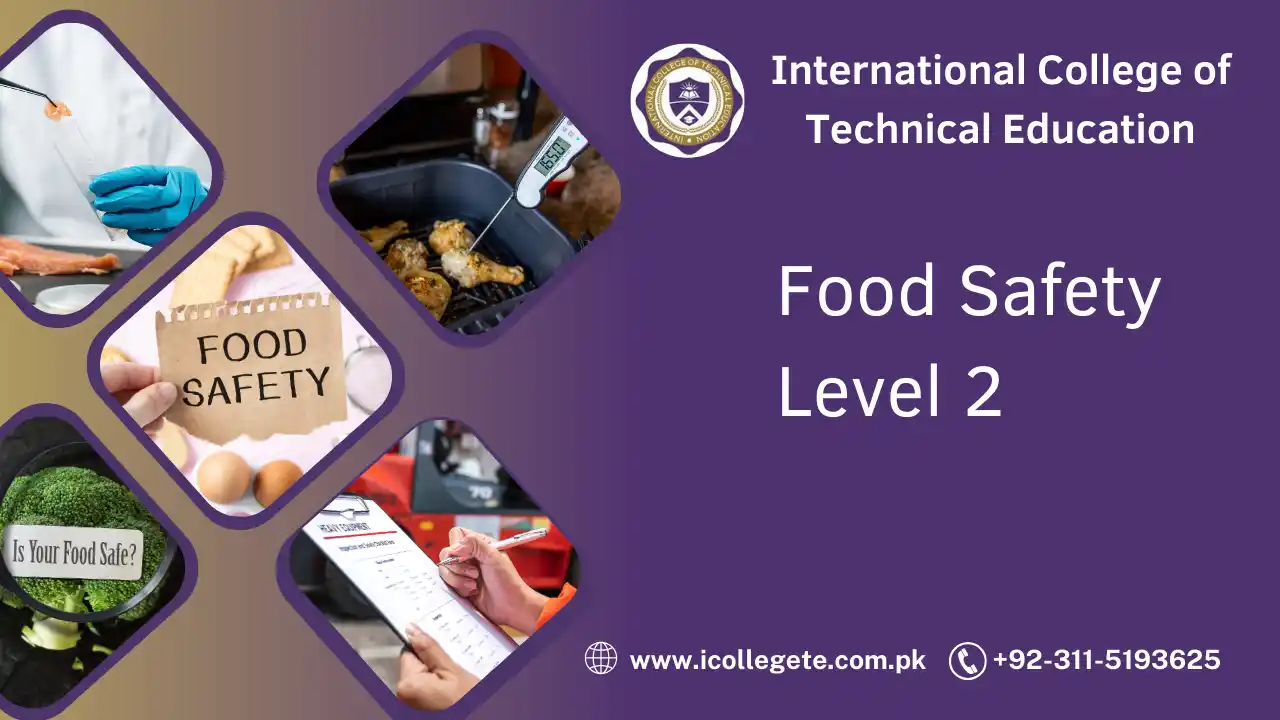
Food safety is a critical aspect of public health, especially in the foodservice industry. Ensuring that food is prepared, stored, and served under hygienic conditions can significantly reduce the risk of foodborne illnesses. The Food Safety Level 2 Course in Rawalpindi offers individuals the knowledge and skills needed to safely handle food, making it an essential certification for anyone working in or managing food-related establishments.
The Food Safety Level 2 Course in Rawalpindi is a comprehensive training program designed to provide individuals with the knowledge necessary to maintain food safety standards and comply with food hygiene regulations. This internationally recognized course is ideal for anyone involved in food handling, preparation, and service, whether in restaurants, cafes, catering services, or any other food establishment.
Course Overview
The Level 2 Food Safety course typically covers the basics of food hygiene, the importance of preventing foodborne illnesses, and practical steps to ensure safety at every stage of food production, from sourcing ingredients to serving customers. It emphasizes the importance of safe handling practices, personal hygiene, cleaning and sanitizing, and implementing effective food safety management systems.
This course is usually delivered through a mix of theoretical and practical learning, with a strong focus on real-world applications. You’ll learn about:
- Principles of Food Safety
- Hazard Analysis and Critical Control Points (HACCP)
- Temperature Control
- Personal Hygiene and Handwashing
- Cleaning and Sanitizing
- Storage and Handling of Food
- Allergen Management
- Food Contamination Risks
- Legal Food Safety Regulations
Study Units
- Introduction to Food Safety
- Understanding foodborne illnesses
- Legal requirements and food safety standards
- Personal Hygiene and Health
- Importance of hygiene in food safety
- Handwashing techniques and personal protective equipment (PPE)
- Food Handling, Storage, and Preparation
- Safe storage practices
- Temperature control and its role in preventing contamination
- Cleaning, Sanitizing, and Waste Management
- Effective cleaning schedules
- Managing waste safely to avoid contamination
- Foodborne Illnesses and Prevention
- Types of foodborne pathogens
- How to prevent contamination during food handling
- Allergen Control
- Recognizing allergens
- Implementing allergen management protocols
- Practical Food Safety Techniques
- Safe methods for handling, cooking, and serving food
- Recognizing and responding to food safety hazards
Learning Outcomes
By the end of the Food Safety Level 2 Course in Rawalpindi, participants will be able to:
- Understand and apply food safety practices in a variety of food environments.
- Identify foodborne risks and know how to prevent contamination through proper handling, storage, and hygiene.
- Understand the importance of temperature control in maintaining food safety.
- Implement effective cleaning and sanitizing practices to reduce the risk of contamination.
- Comply with local and international food safety regulations.
- Demonstrate a solid understanding of food allergen management.
Course Benefits
The Food Safety Level 2 Course in Rawalpindi offers numerous benefits, including:
- Certification: Upon completion, you’ll receive a recognized food safety certificate that is highly valued in the food industry.
- Health and Safety: The course provides vital knowledge that helps protect both food consumers and workers by minimizing the risk of foodborne illnesses.
- Career Advancement: With a food safety qualification, you’ll be better equipped for career opportunities in restaurants, hotels, catering, healthcare settings, and food manufacturing industries.
- Legal Compliance: The course ensures that your food handling practices comply with legal regulations, reducing the risk of fines or legal action.
- Enhanced Reputation: Businesses that employ food safety-trained personnel enhance their reputation by demonstrating their commitment to providing safe, hygienic food.
Who Is This Course For?
The Food Safety Level 2 Course is suitable for anyone working in a food-related industry, including:
- Cooks and Chefs
- Kitchen Assistants
- Food Service Managers
- Catering Staff
- Supervisors in Food Establishments
- Anyone responsible for the hygiene and safety of food in restaurants, hotels, or catering services
- Food Business Owners
If you are responsible for handling, preparing, or serving food, this course is essential to help you manage food safety risks effectively.
Future Progression
The Food Safety Level 2 Course is just the beginning of your food safety education. After completing this course, you can further your expertise by progressing to higher-level food safety qualifications, such as:
- Food Safety Level 3: For those looking to take on more managerial or supervisory roles in food safety management, this advanced course delves deeper into risk assessment, HACCP, and managing food safety systems at a higher level.
- Food Safety Auditing: For those interested in food safety auditing, there are specialized courses that focus on inspection and auditing food establishments for compliance with food safety regulations.
- Nutrition and Health Safety Courses: You may choose to broaden your knowledge in nutrition, dietetics, or public health, which will enhance your skills in managing both food safety and the nutritional quality of food.
The Food Safety Level 2 Course in Rawalpindi provides essential knowledge and skills for anyone involved in food-related work. Whether you’re a restaurant manager, chef, or food handler, this course will enable you to maintain high standards of hygiene, ensure food safety, and comply with regulations, leading to better health outcomes for both consumers and food service employees. Completing this certification not only advances your career but also equips you with the tools to protect the well-being of the people you serve.